The best supplements for GLP-1 users
You do not need a cabinet full of pills on a GLP-1. You need a short, evidence-led stack that covers the three things the medication actually changes: hydration, protein, and bowel regularity. Here is what to add, what to skip, and why.

You do not need a cabinet full of pills on a GLP-1. You need a short, evidence-led stack that covers the three things the medication actually changes: hydration, protein, and bowel regularity. Here is what to add, what to skip, and why.
Our pick: LMNT Recharge
If you add one thing on a GLP-1, make it electrolytes. The drop in food and fluid intake during the early weeks is what leaves most people foggy, headachey, and tired, and replacing sodium, potassium, and magnesium is the fastest, cheapest fix. LMNT Recharge is a clean, no-sugar option that mixes into water easily, which matters when nausea has made plain water unappealing. The full breakdown of options, including budget picks, is in our electrolytes guide.
How we evaluate
We evaluate on specifications, not vibes: the 5 products here were scored against the same criteria below, drawn from the ingredient panel, independent testing, and the published evidence. We do not run a lab, so where we have not used a product ourselves we say so and base the call on its specs and the trial literature. Affiliate commissions never change the ranking.
What's actually in it
We read the Supplement Facts panel and weigh the active doses against what the published trials and the FDA labels actually support, not against the claim on the front of the box.
Fit for a GLP-1 gut
GLP-1s slow digestion and blunt appetite. We favor formats that suit that, easy to get down, low-volume, gentle, and we flag anything (mega-doses, harsh additives) that tends to make nausea or reflux worse.
Third-party testing & quality
Independent certification (NSF, Informed Sport, USP) and published certificates of analysis count in a product's favor. Proprietary blends, heavy additives, and unnecessary allergens count against it.
Price per serving
We normalize cost to a per-serving figure so the ranking reflects value, not sticker price, and we re-check it on every update.
Side by side
Prices are approximate per-serving estimates, last checked June 2026. Tap “Check price” for the current cost.
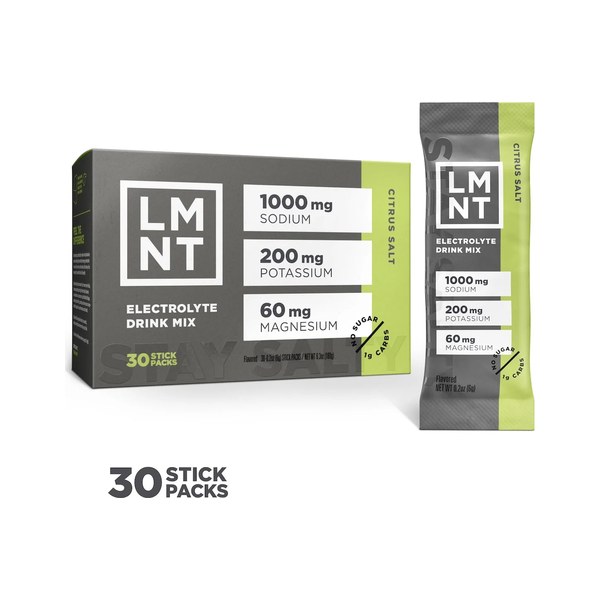
The single highest-value add for most people in the first months. GLP-1s cut both food and fluid intake, and the resulting dip in sodium, potassium, and magnesium shows up as fatigue, headache, and lightheadedness. A no-sugar electrolyte mix in your water fixes that faster than anything else here. Lean on it in the first weeks, on hot days, and any time you have had diarrhea or vomiting. See the full lineup, including cheaper options, in our electrolytes comparison.
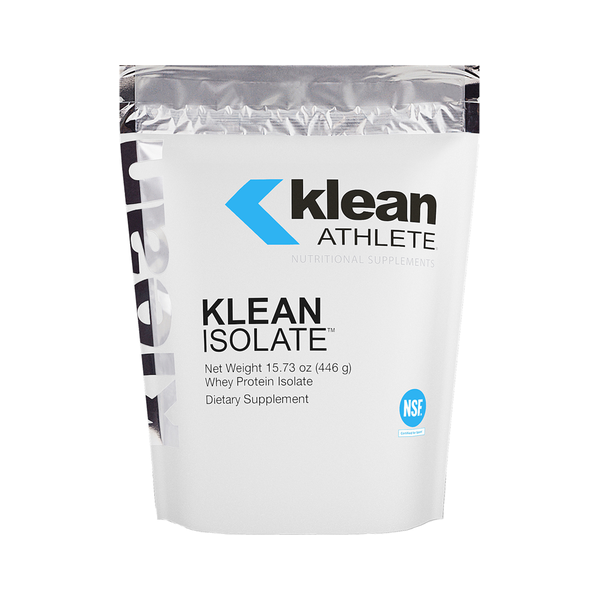
When appetite craters, protein is the macro that slips first, and the muscle-loss data from the STEP and SURMOUNT trials is the reason this matters. A clean whey isolate is the easiest way to hit a daily protein target on a shrunken appetite, because liquid protein goes down when a chicken breast will not. This is a daily habit, not a side-effect rescue. Our protein powders guide covers plant options and budget picks; how to set your target is in our protein how-to.
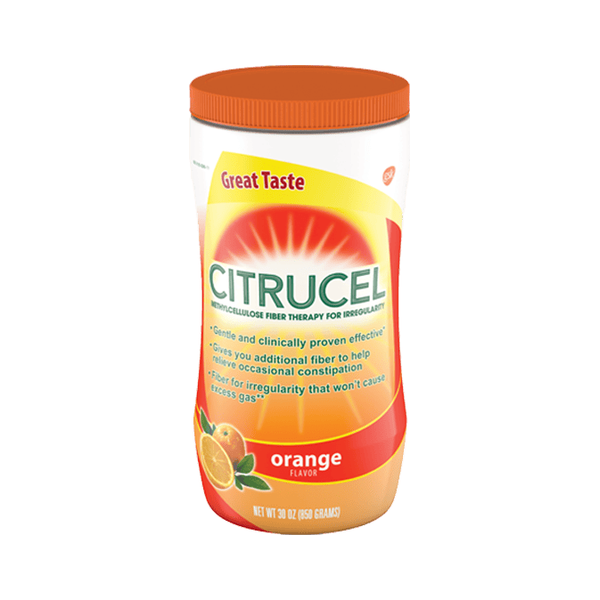
Slowed gastric emptying plus less food and less water is a recipe for constipation, and it is one of the most common GLP-1 complaints. Methylcellulose is a non-fermenting bulk-forming fiber, which means it adds bulk without the gas and bloating that fermentable fibers can cause on an already-slow gut. Add it if and when you need it, with plenty of water. The full fiber lineup and the case for each type is in our constipation and fiber guide.

Magnesium does double duty on a GLP-1: it is one of the electrolytes you lose when intake drops, and the glycinate form can gently ease the constipation that comes with slowed digestion. The bisglycinate form is better tolerated than oxide or citrate at the same elemental dose, so it is less likely to send you the other direction. Skip it if your electrolyte mix already carries a meaningful magnesium dose; add it if you are cramping, sleeping poorly, or backed up.
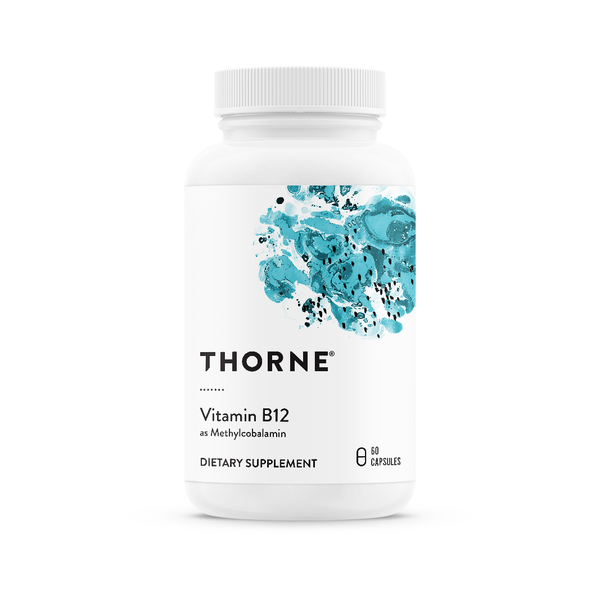
This is the one to confirm before you buy, not buy before you confirm. Eating much less over months can lower B12 intake, and a true deficiency causes fatigue that looks like everything else, but most people on a varied diet are replete. Ask your clinician for a level rather than guessing. If a lab says you are low, methylcobalamin is the active, well-absorbed form, and Thorne's sublingual is a clean option. If your level is fine, you do not need it.
Frequently asked questions
Do I actually need supplements on a GLP-1?
Not strictly. Whole food and water cover most of it. But the medication changes three things at once, how much you drink, how much protein you get, and how regular you are, and a small stack makes those easy to stay on top of when your appetite is not helping. Start with electrolytes, add protein if you are struggling to hit a daily target, and keep a bulk-forming fiber on hand for constipation. That is the whole list for most people.
Should I take magnesium?
Magnesium is reasonable for two GLP-1-adjacent reasons: it is one of the electrolytes you lose when intake drops, and the glycinate form can gently help with the constipation that comes with slowed digestion. If your electrolyte mix already contains a meaningful dose, you may not need a separate one. A standalone glycinate (better tolerated than oxide or citrate) is a fine, low-cost add if you are cramping, sleeping poorly, or backed up. It is not essential for everyone.
What about vitamin B12 or iron?
Worth checking, not blindly taking. Eating much less over months can lower intake of several nutrients, and B12, iron, and thyroid all cause similar fatigue with different fixes. The right move is a blood test through your clinician rather than guessing. If a lab confirms you are low, supplement to that result. Most people on a reasonably varied diet are replete, so a routine B12 pill is optional, not a given.
Do I need a multivitamin?
A basic multivitamin is a fair insurance policy if your overall intake has dropped a lot and your diet has narrowed, which does happen when appetite falls. It is not a substitute for protein, fluids, or fiber, and it will not fix fatigue that is really about under-eating or dehydration. Think of it as a floor under your micronutrients, not a centerpiece of the stack.
Is creatine worth adding for muscle?
It is one of the better-supported supplements for preserving strength and lean mass during weight loss, especially paired with resistance training and adequate protein. Creatine monohydrate is cheap, well studied, and low risk for most people with healthy kidneys. It is a sensible optional add for anyone training while losing weight on a GLP-1, but it sits behind protein, not ahead of it.
What should I skip?
Fat burners, 'GLP-1 booster' or 'natural Ozempic' supplements, detox teas, and most greens powders. The booster products are marketing riding the GLP-1 wave, with no trial evidence behind the claims, and detox teas can worsen the dehydration and electrolyte loss you are already fighting. peptips does not link to peptide vendors, weight-loss supplements, or telehealth prescribers, and we never will. Spend on the boring, proven basics instead.
When do I take all this?
Electrolytes whenever you are drinking, spread through the day rather than all at once. Protein front-loaded toward the part of the day your appetite is least suppressed, often the morning. Fiber with plenty of water, separated from medications by a couple of hours since bulk-forming fiber can affect absorption. None of this needs to be timed around your injection day; nothing in the GLP-1 labels calls for it.
- 01FDA Prescribing Information: Wegovy (semaglutide)
- 02FDA Prescribing Information: Zepbound (tirzepatide)
- 03Wilding JPH et al. Once-Weekly Semaglutide in Adults with Overweight or Obesity (STEP-1). NEJM 2021
- 04Phillips SM. Protein Requirements Beyond the RDA. Applied Physiology, Nutrition, and Metabolism 2017
- 05Kreider RB et al. International Society of Sports Nutrition position stand: safety and efficacy of creatine supplementation. JISSN 2017
By The Peptips Editorial TeamUpdated June 2, 202611 min read
About The Peptips Editorial Team
The Peptips Editorial Team is a small group of researchers dedicated to making GLP-1 information clearer, calmer, and more useful. We read the trials, the FDA labels, and the published literature, and we translate it into posts you can actually use. We do not provide medical advice, we do not accept payment from drug manufacturers or telehealth clinics, and we cite every claim we make. If you find something on this site that's wrong, we want to know, write to us and we'll update it.
Ozempic Constipation: What Helps, Plus the Best Fiber Supplements
Yes, Ozempic and other GLP-1s commonly cause constipation, here's why it happens, how long it usually lasts, and what actually relieves it, including which fiber to buy and which to skip.
Ozempic Week by Week: What to Expect
A week-by-week timeline of the first year on semaglutide. What is normal. What is not. When to call your doctor.
The Complete GLP-1 Side Effect Guide: Week by Week
Every common GLP-1 side effect, the week it typically appears, why it happens, and what actually helps. With citations from trial data and manufacturer labels.
Získejte průvodce „Prvních 30 dní“.
Tisknutelný společník od prvního do čtvrtého týdne. Zdarma. Doručeno okamžitě.
Přihlášením souhlasíte s našimi Zásadami ochrany osobních údajů. Jeden klidný e-mail týdně. Odhlásit se můžete kdykoli.