Ozempic constipation: what helps, and the best fiber supplements
Yes, Ozempic and other GLP-1s commonly cause constipation, here's why it happens, how long it usually lasts, and what actually relieves it, including which fiber to buy and which to skip.
Yes, Ozempic and other GLP-1s commonly cause constipation, here's why it happens, how long it usually lasts, and what actually relieves it, including which fiber to buy and which to skip.
Our pick: Citrucel (methylcellulose)
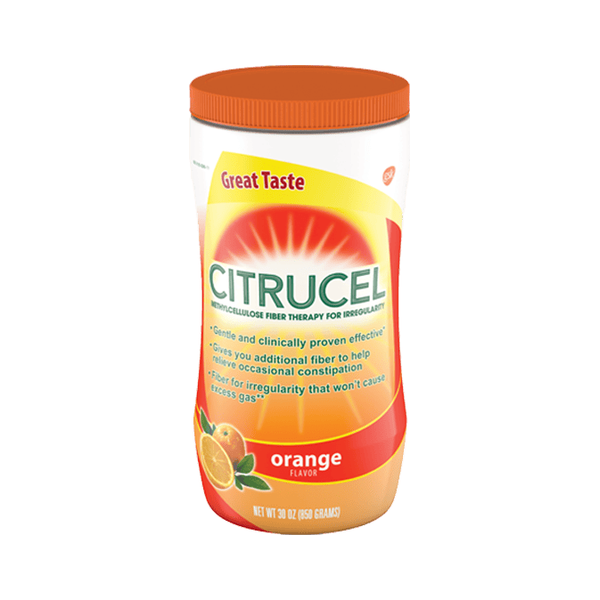
Methylcellulose is a soluble fiber that bulks and softens stool but is not fermented by gut bacteria, which means it does not produce the gas that makes bloating worse. That single property is why it edges out psyllium for GLP-1 users specifically. Psyllium has marginally stronger evidence for chronic constipation in the general population, but GLP-1 users are already dealing with a slowed gut, early fullness, and bloating, and the last thing that gut needs is a fermentable fiber adding gas on top. Start at half the label dose with a full glass of water, take it well away from your injection day's worst hours, and ramp up over a week or two.
How we evaluate
We evaluate on specifications, not vibes: the 8 products here were scored against the same criteria below, drawn from the ingredient panel, independent testing, and the published evidence. We do not run a lab, so where we have not used a product ourselves we say so and base the call on its specs and the trial literature. Affiliate commissions never change the ranking.
Fiber type and dose
We check the actual grams of soluble fiber per serving against what's been studied for constipation, and prefer well-tolerated forms (psyllium, partially-hydrolyzed guar) over bulky or gas-forming ones that fight a slowed gut.
Fit for a GLP-1 gut
GLP-1s slow digestion and blunt appetite. We favor formats that suit that, easy to get down, low-volume, gentle, and we flag anything (mega-doses, harsh additives) that tends to make nausea or reflux worse.
Third-party testing & quality
Independent certification (NSF, Informed Sport, USP) and published certificates of analysis count in a product's favor. Proprietary blends, heavy additives, and unnecessary allergens count against it.
Price per serving
We normalize cost to a per-serving figure so the ranking reflects value, not sticker price, and we re-check it on every update.
Side by side
Prices are approximate per-serving estimates, last checked June 2026. Tap “Check price” for the current cost.
Methylcellulose is a semi-synthetic soluble fiber that holds water and bulks stool without being fermented in the colon. No fermentation means little to no gas, the reason it is often the most comfortable choice for a gut that is already bloated and slow on a GLP-1. Comes as a powder (sugar-free and regular) and as caplets. The caplets are convenient when appetite is low and a glass of gritty powder is unappealing. Always take with a full glass of water; fiber without enough water can worsen constipation, not relieve it.
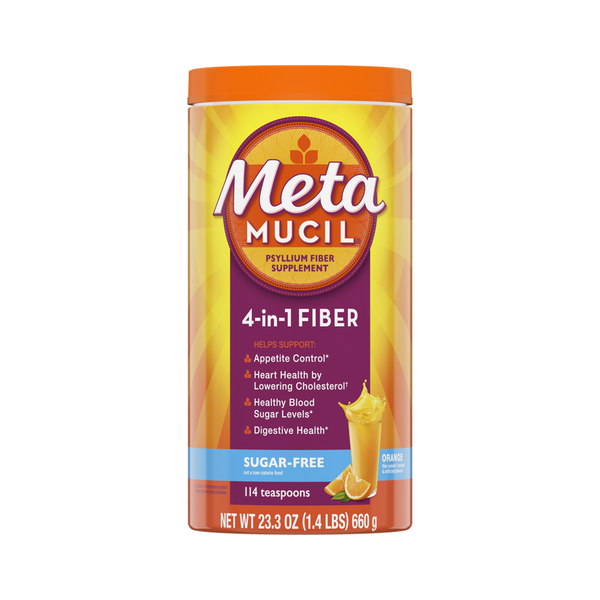
Psyllium is the most-studied fiber for chronic constipation and forms a soft gel that eases passage. The tradeoff for GLP-1 users: psyllium is partially fermentable, so it can cause gas and bloating in the first week, especially if you start at a full dose. Konsyl is nearly pure psyllium with no added sweeteners; Metamucil offers sugar-free (stevia or aspartame) versions, skip the sugar-loaded ones. Start low, build slowly, and drink more water than you think you need. If bloating is your main complaint, methylcellulose may sit better.
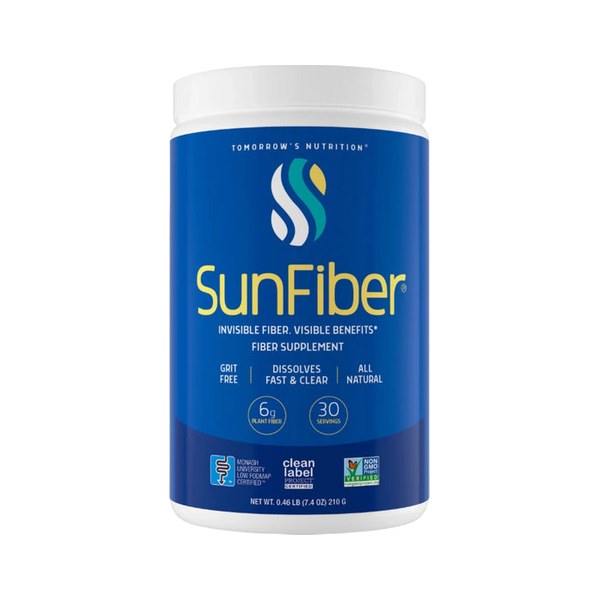
PHGG is a soluble fiber that dissolves clear and tasteless into any liquid, with a low-viscosity profile that tends to produce far less gas than inulin or wheat dextrin despite being mildly prebiotic. A good option for someone who wants to stir fiber into coffee, water, or a protein shake without grit or flavor. Effective for regularity; gentle enough that many people with sensitive guts tolerate it well. Slightly slower to show results than psyllium or methylcellulose, but comfortable.
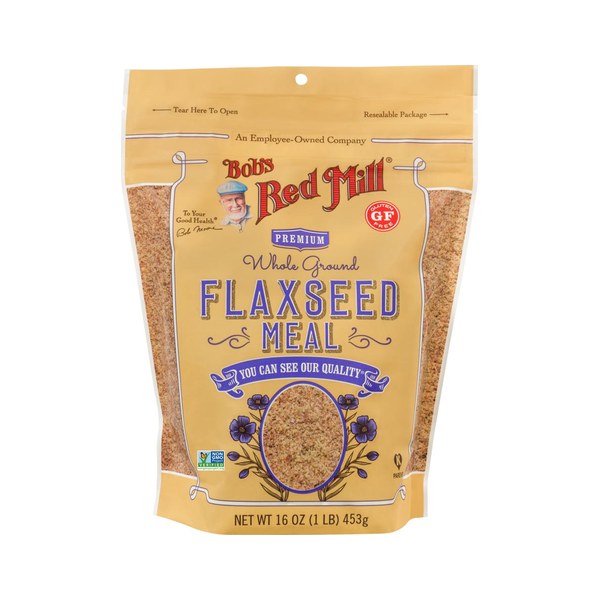
Not a supplement in a tub, but worth including: a tablespoon or two of ground flaxseed brings roughly 2-4g of mixed soluble and insoluble fiber plus omega-3s and lignans. The small serving size fits a small appetite, and it stirs into yogurt, oatmeal, or a shake. Must be ground (whole seeds pass through undigested) and kept refrigerated to avoid rancidity. Gentle and food-first, which suits the brand's bias toward eating real food when possible; not as fast or as dose-predictable as a measured fiber powder.
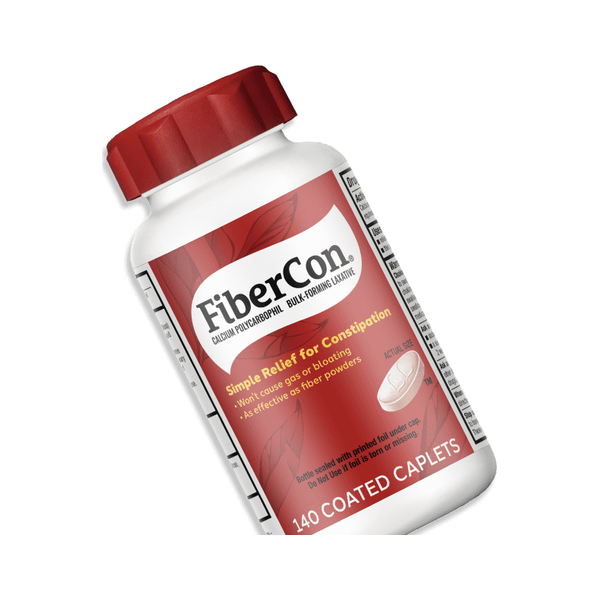
Like methylcellulose, calcium polycarbophil is a bulk-forming fiber that is not fermented, so it is low-gas. Its main appeal is format: it is a caplet, no powder to mix, which is genuinely easier on days when appetite is low and texture is unappealing. Take each dose with a full 8oz glass of water, this matters more for the caplet forms than the powders, because swallowing fiber pills with too little fluid is a setup for the opposite of what you want.
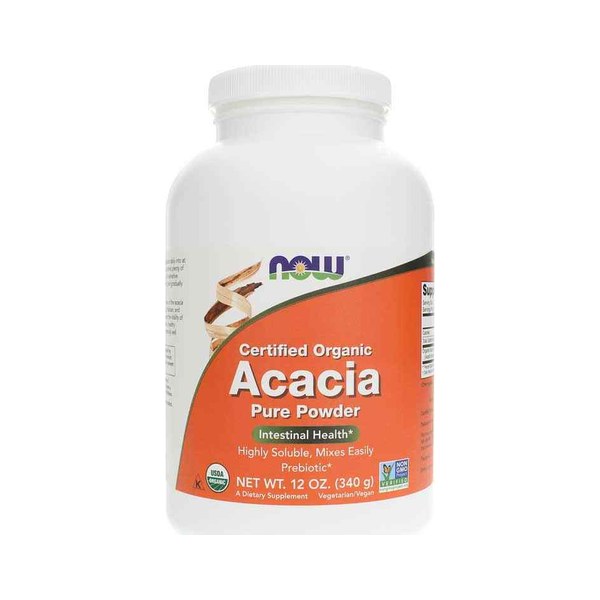
Acacia is a soluble prebiotic fiber that ferments slowly and gently, producing less gas than inulin. Dissolves cleanly and is largely tasteless. A reasonable middle option for someone who wants some prebiotic benefit without the bloating that inulin tends to cause. Effects on regularity are real but milder; some readers use it as a daily base and layer a bulk-former on top when needed.

Wheat dextrin dissolves invisibly into liquids with no grit or taste, which is its whole selling point. The catch for GLP-1 users: it is readily fermented, so it is one of the more likely powders to add gas and bloating to a gut that is already uncomfortable. Fine for someone who tolerates it, but not a first pick when minimizing bloating is the goal. Contains wheat (gluten), not suitable for celiac disease.
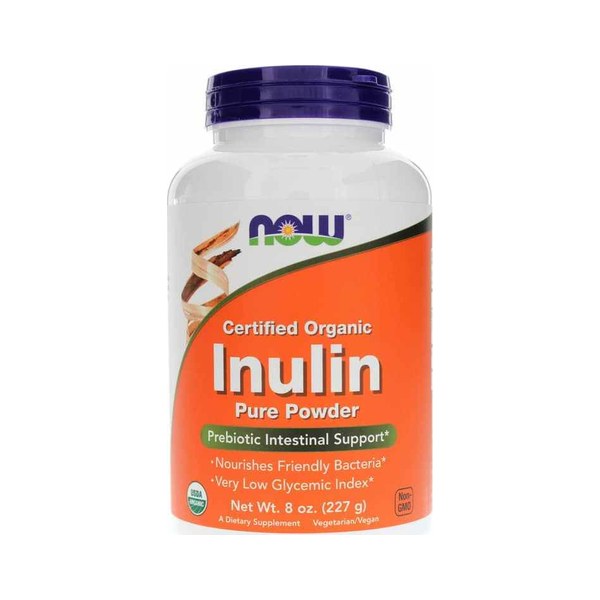
Inulin is everywhere, added to bars, shakes, and 'gut health' powders, because it is a strong prebiotic. That is also why it is usually the wrong choice on a GLP-1: it is highly fermentable and one of the most common causes of gas, bloating, and cramping, exactly the symptoms GLP-1 users are already fighting. If a product you already use lists inulin or chicory root high on the label and you feel gassier than expected, that is a likely culprit. Listed last here on purpose.
Frequently asked questions
Does Ozempic cause constipation, and how common is it?
Yes. Constipation is one of the most common GI side effects of semaglutide (Ozempic, Wegovy) and tirzepatide (Mounjaro, Zepbound), listed in all of their FDA prescribing information. In the STEP and SUSTAIN trials it affected a meaningful share of patients, most often in the first weeks and after each dose increase. It is uncomfortable but usually manageable with fluids, movement, and the right fiber.
How long does Ozempic constipation last?
For most people it eases within a few weeks as the body adjusts to a given dose, then tends to flare again briefly after each dose increase. If it does not improve with water, magnesium, and fiber over a couple of weeks, or if it comes with a hard, distended, painful belly or vomiting, treat that as urgent and call your prescriber, prolonged constipation can rarely signal a bowel obstruction or ileus.
Why does a GLP-1 cause constipation?
Two reasons stack. First, GLP-1 medications slow gastric emptying and gut motility by design, food and stool move more slowly. Second, you are eating less, which means less food volume, less fiber, and often less water moving through. The Ozempic, Wegovy, and Mounjaro prescribing information all list constipation as a common adverse reaction. It tends to be worst in the first weeks and after each dose increase.
Soluble or insoluble fiber, which one for constipation?
For GLP-1-related constipation, soluble, gel-forming or bulk-forming fibers (methylcellulose, psyllium, polycarbophil) are the workhorses: they hold water and soften stool. Insoluble fiber (wheat bran, raw vegetable skins) adds bulk but can feel harsh and gassy on a slowed gut. Whole-food options like ground flax bring a bit of both gently. The bigger variable for comfort is not soluble-vs-insoluble, it is whether the fiber ferments.
Will fiber make my bloating worse?
It can, if you pick a fermentable one. Inulin, chicory root, and to a lesser extent wheat dextrin and psyllium are fermented by gut bacteria, producing gas. On a GLP-1, where bloating and early fullness are already common, that can backfire. The non-fermenting fibers, methylcellulose and calcium polycarbophil, bulk stool without feeding that gas production, which is why they are usually the more comfortable starting point.
How much fiber, and how much water?
Start at roughly half the label dose and build up over one to two weeks; jumping straight to a full dose is the fastest way to feel gassy and quit. Water is non-negotiable: fiber works by holding water in the stool, so a fiber supplement taken without enough fluid can make constipation worse. A practical rule is a full 8oz glass with each dose and steady fluid through the day. General fiber targets run around 25-38g per day from all sources, but the goal on a GLP-1 is comfort and regularity, not hitting a number.
Fiber, magnesium, or a stool softener, what comes first?
These work differently and are not interchangeable. Fiber bulks and softens stool over days. Magnesium (often magnesium citrate at bedtime) draws water into the bowel and tends to work faster, see our electrolytes guide for the overlap with hydration. Stool softeners and osmotic laxatives like polyethylene glycol are a separate step. Many people start with fiber plus adequate water and magnesium, and escalate only if that is not enough. What is right for you depends on your medications and history, so loop in your prescriber before stacking products, especially if you have kidney disease or take blood-pressure medication.
When is constipation a reason to call my doctor?
Most GLP-1 constipation is uncomfortable but manageable. Treat it as urgent if you go several days with no bowel movement and develop a hard, distended, painful belly, vomiting, or an inability to pass gas, that combination can signal a bowel obstruction or ileus, which has been reported with GLP-1 medications and needs prompt medical attention. Persistent constipation that does not respond to fiber, fluids, and magnesium over a couple of weeks is also worth a call, as is any blood in the stool.
By The Peptips Editorial TeamUpdated June 1, 202613 min read
About The Peptips Editorial Team
The Peptips Editorial Team is a small group of researchers dedicated to making GLP-1 information clearer, calmer, and more useful. We read the trials, the FDA labels, and the published literature, and we translate it into posts you can actually use. We do not provide medical advice, we do not accept payment from drug manufacturers or telehealth clinics, and we cite every claim we make. If you find something on this site that's wrong, we want to know, write to us and we'll update it.
Ozempic Week by Week: What to Expect
A week-by-week timeline of the first year on semaglutide. What is normal. What is not. When to call your doctor.
The Complete GLP-1 Side Effect Guide: Week by Week
Every common GLP-1 side effect, the week it typically appears, why it happens, and what actually helps. With citations from trial data and manufacturer labels.
Best Electrolytes for GLP-1 Users (and Ozempic Fatigue)
When appetite drops on a GLP-1, sodium, potassium, and magnesium drop with it, and that shortfall is behind a lot of the first-month fatigue. Here's what's worth buying, what to skip, and which formulas are calm on the stomach.
Získejte průvodce „Prvních 30 dní“.
Tisknutelný společník od prvního do čtvrtého týdne. Zdarma. Doručeno okamžitě.
Přihlášením souhlasíte s našimi Zásadami ochrany osobních údajů. Jeden klidný e-mail týdně. Odhlásit se můžete kdykoli.