Acacia Fiber Powder
by Acacia (gum arabic) · Gentle slow-fermenting soluble fiber
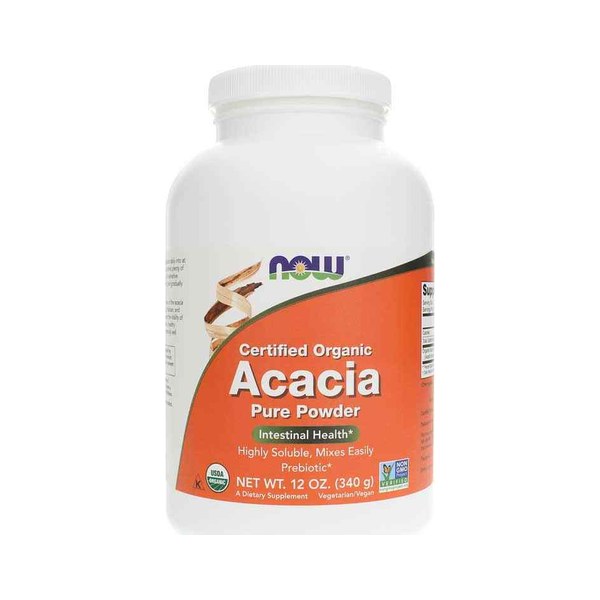
Slow, gentle-fermenting soluble prebiotic fiber, less gas than inulin. Dissolves cleanly and tasteless; a mild daily base.
Acacia is a soluble prebiotic fiber that ferments slowly and gently, producing less gas than inulin. Dissolves cleanly and is largely tasteless. A reasonable middle option for someone who wants some prebiotic benefit without the bloating that inulin tends to cause. Effects on regularity are real but milder; some readers use it as a daily base and layer a bulk-former on top when needed.
GLP-1 medications slow how fast the gut moves, and you're taking in less of everything, fiber and water included. That combination is why constipation is one of the most common early side effects. The catch: the wrong fiber can make things worse. Highly fermentable types feed gas production in a gut that is already bloated and uncomfortable.
Start at about half the label dose and build up over a week or two, and treat water as non-negotiable, because fiber works by holding water in the stool and taking it dry can backfire. Non-fermenting fibers tend to be the most comfortable starting point. If constipation doesn't ease with fiber, fluids, and magnesium over a couple of weeks, that is worth a call to your prescriber.
- Ozempic Constipation: Best Fiber Picks , ranked #6, gentle slow-fermenting soluble fiber
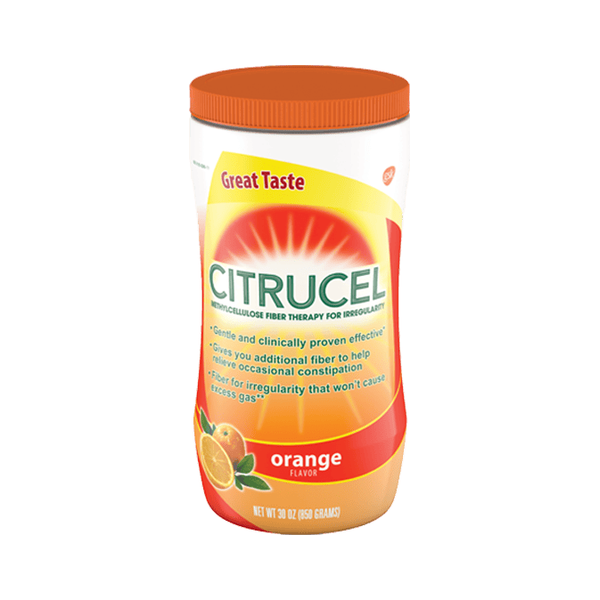 Citrucel (methylcellulose)#1 · Non-fermenting bulk-forming fiber
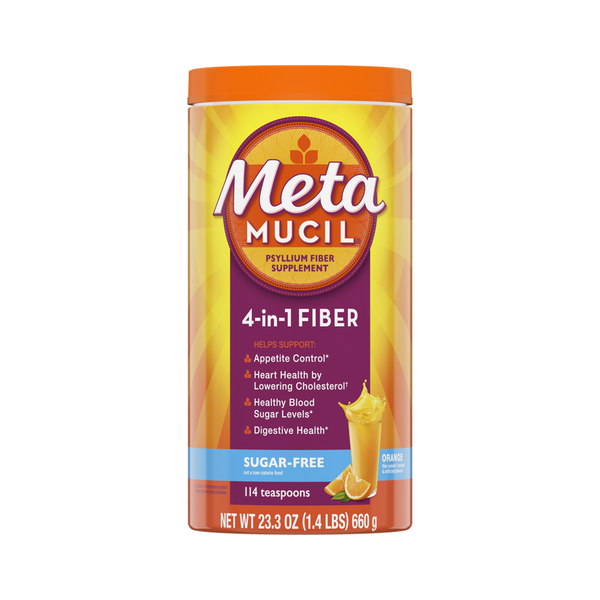 Metamucil / Konsyl (psyllium husk)#2 · Premium gel-forming soluble fiber
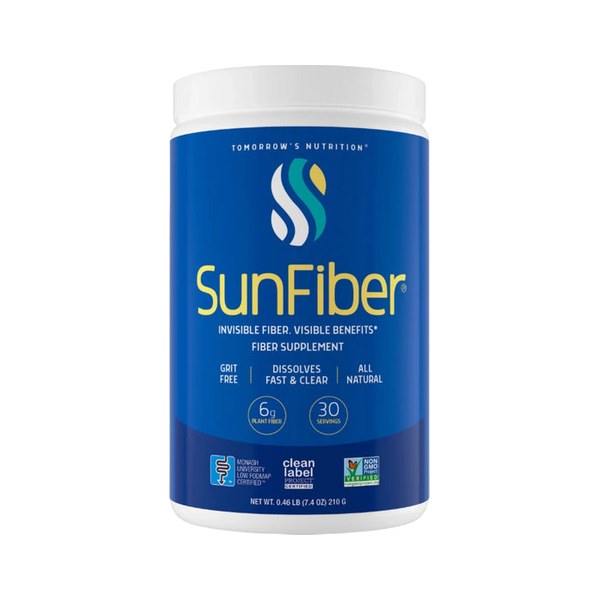 Sunfiber (partially hydrolyzed guar gum, PHGG)#3 · Low-gas soluble fiber
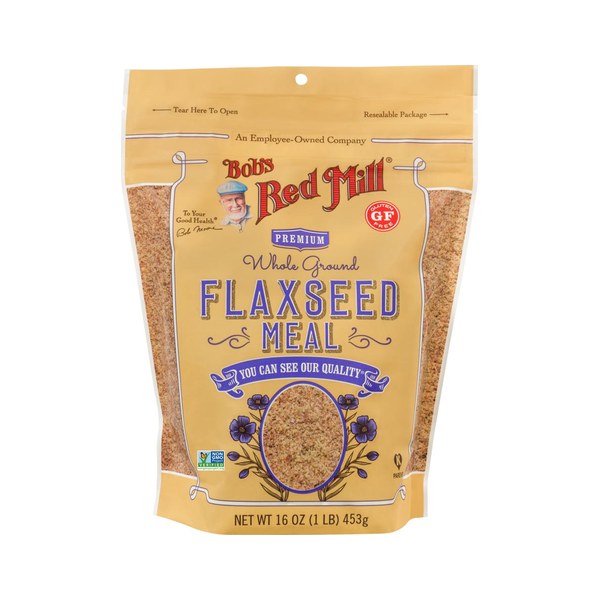 Ground flaxseed (whole-food fiber)#4 · Whole-food soluble + insoluble fiber
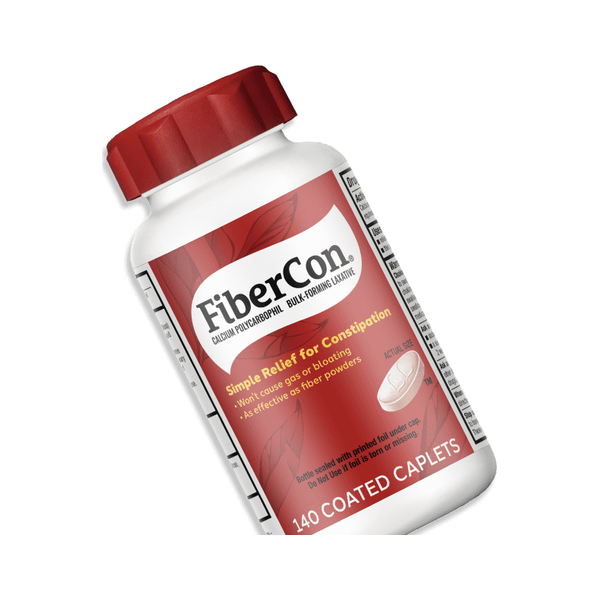 FiberCon (calcium polycarbophil)#5 · Non-fermenting bulk-forming caplet
 Benefiber (wheat dextrin)#7 · Convenient but fermentable soluble fiber
Where to buy Acacia Fiber Powder
Prices change often; tap through for the current cost. We may earn a commission, which never changes our picks.
This is general information, not medical advice. Talk to your prescriber before adding a supplement, especially if you have kidney disease, heart disease, or take prescription medication.