Mounjaro vs Ozempic vs Wegovy vs Zepbound
I quattro grandi farmaci GLP-1 a confronto su meccanismo, efficacia, effetti collaterali e costo. Cosa hanno davvero mostrato gli studi, fianco a fianco.
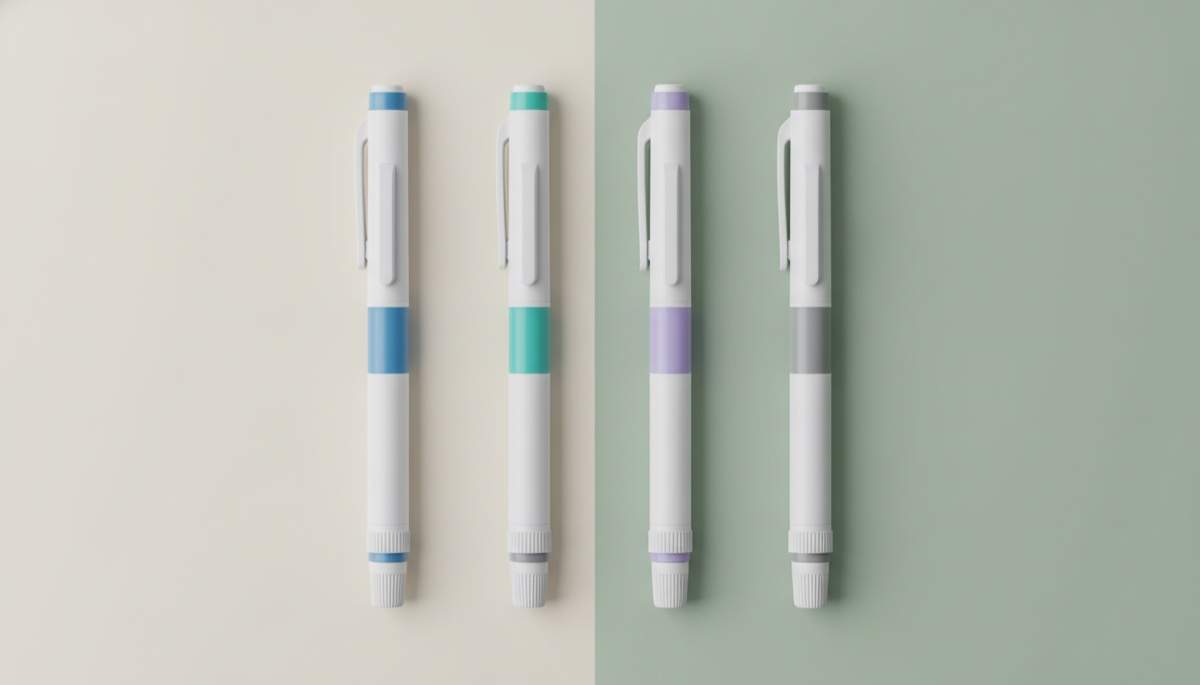
I quattro grandi farmaci GLP-1 a confronto su meccanismo, efficacia, effetti collaterali e costo. Cosa hanno davvero mostrato gli studi, fianco a fianco.
Frequently asked questions
Are Ozempic and Wegovy the same drug?
Same active ingredient (semaglutide), same manufacturer (Novo Nordisk), different FDA indications and maximum doses. Ozempic is approved for type 2 diabetes and tops out at 2mg weekly. Wegovy is approved for chronic weight management and goes up to 2.4mg weekly. The titration schedules are different too: Wegovy escalates more aggressively than Ozempic. From the body's perspective, they're effectively the same drug at overlapping doses.
Are Mounjaro and Zepbound the same drug?
Yes, same relationship as Ozempic and Wegovy. Both are tirzepatide, made by Eli Lilly. Mounjaro is FDA-approved for type 2 diabetes; Zepbound is approved for chronic weight management and for obstructive sleep apnea in adults with obesity. Dose ranges run from 2.5mg to 15mg weekly for both, escalated over several months. Insurance coverage and indication are the real difference in most patients' day-to-day.
Which one causes the most weight loss?
In the head-to-head SURMOUNT-5 trial (tirzepatide vs semaglutide for obesity), tirzepatide produced greater average body-weight reduction at 72 weeks: roughly 20% versus roughly 14% for semaglutide. Both numbers are averages with wide individual variation. Tirzepatide is a dual GIP/GLP-1 agonist, which is the biological explanation offered for the difference. 'Most weight loss on average' isn't the same as 'best for you.' Side effect tolerance and insurance coverage often matter more.
Which has fewer side effects?
The side effect profiles are broadly similar; GI symptoms dominate both. The SURMOUNT-5 head-to-head reported comparable rates of nausea, diarrhea, and vomiting between tirzepatide and semaglutide, with tirzepatide showing slightly lower rates of some GI events in that specific study. Both FDA labels list the same short list of serious adverse events: pancreatitis, gallbladder disease, dehydration-related kidney issues, and the thyroid C-cell tumor boxed warning (rodent data).
Which is cheaper?
List prices for all four brand-name drugs sit in a similar range in early 2026, roughly $1,000-$1,400 per month without insurance. Manufacturer savings cards move this significantly: the Zepbound savings card and the Wegovy savings card can drop out-of-pocket costs substantially for commercially insured patients. Insurance coverage is the bigger variable. Ozempic and Mounjaro are more often covered (diabetes indication); Wegovy and Zepbound coverage for obesity is inconsistent across plans.
Can I switch between them?
Switching is possible and done routinely, but the switch point matters. The FDA labels don't give a fixed crossover protocol. Prescribers typically pick a tirzepatide or semaglutide dose roughly equivalent to the old one and adjust from there. The first 1-2 weeks after a switch often feel like starting over: some nausea, some appetite recalibration. Patients switch for insurance reasons, for plateau, or for side effect tolerance. It's a conversation with the prescriber, not a DIY move.
Which should I ask my doctor about?
There isn't a clean answer, and any content claiming there is should be viewed carefully. The inputs that actually determine the right drug: your diagnosis (diabetes versus obesity versus both), your insurance formulary, your tolerance for injection frequency and needle type, your side effect profile on related meds, and what your prescriber has experience with. Bringing all four FDA labels to the appointment and asking the prescriber to talk through their reasoning is usually the most useful move.
- 01FDA Prescribing Information: Ozempic (semaglutide)
- 02FDA Prescribing Information: Wegovy (semaglutide)
- 03FDA Prescribing Information: Mounjaro (tirzepatide)
- 04FDA Prescribing Information: Zepbound (tirzepatide)
- 05Aronne LJ et al. Tirzepatide as Compared with Semaglutide for the Treatment of Obesity (SURMOUNT-5). NEJM 2025 [VERIFY exact citation details]
- 06Jastreboff AM et al. Tirzepatide Once Weekly for the Treatment of Obesity (SURMOUNT-1). NEJM 2022
By The Peptips Editorial TeamUpdated April 21, 202618 min read
About The Peptips Editorial Team
The Peptips Editorial Team is a small group of researchers dedicated to making GLP-1 information clearer, calmer, and more useful. We read the trials, the FDA labels, and the published literature, and we translate it into posts you can actually use. We do not provide medical advice, we do not accept payment from drug manufacturers or telehealth clinics, and we cite every claim we make. If you find something on this site that's wrong, we want to know, write to us and we'll update it.
The Complete GLP-1 Guide for Beginners
What GLP-1s are. How they work in the body. Who they are approved for. The four drugs on the market. Explained without the hype.
12 Questions to Ask Your Doctor Before Starting a GLP-1
Prep for your first GLP-1 appointment: 12 questions worth asking, why each matters, and what a good answer looks like.
Semaglutide vs Tirzepatide: How Ozempic, Wegovy, Mounjaro, and Zepbound Compare
Two different molecules, two different receptor targets, and one head-to-head trial. What the SURPASS-2, STEP-1, and SURMOUNT-1 data show on weight, blood sugar, side effects, dosing, and cost, in plain language.
Ricevi la guida «I primi 30 giorni».
Un compagno stampabile dalla settimana uno alla settimana quattro. Gratuito. Subito nella tua casella.
Iscrivendoti accetti la nostra Informativa sulla privacy. Una mail sobria a settimana. Disiscrizione in qualsiasi momento.