Best protein powders for GLP-1 users
The protein powders that fit a 30g-per-scoop target, sit well on a slow-emptying stomach, and don't rely on artificial sweeteners readers don't want.
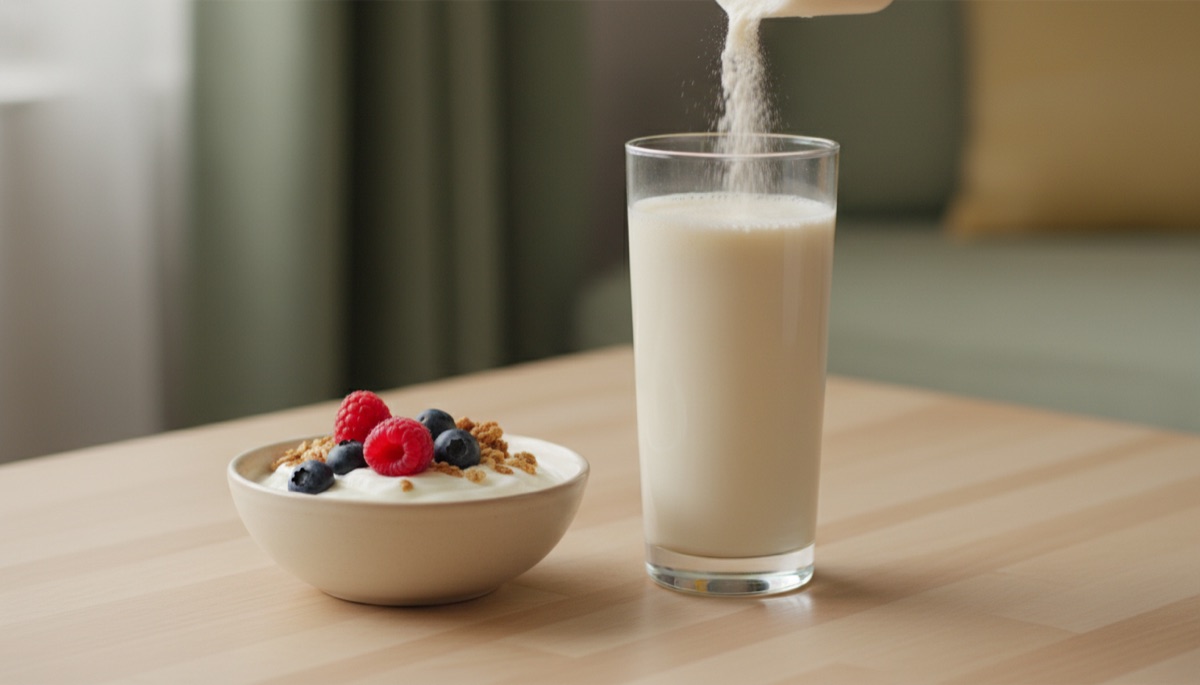
The protein powders that fit a 30g-per-scoop target, sit well on a slow-emptying stomach, and don't rely on artificial sweeteners readers don't want.
Our pick: Klean Athlete Klean Isolate
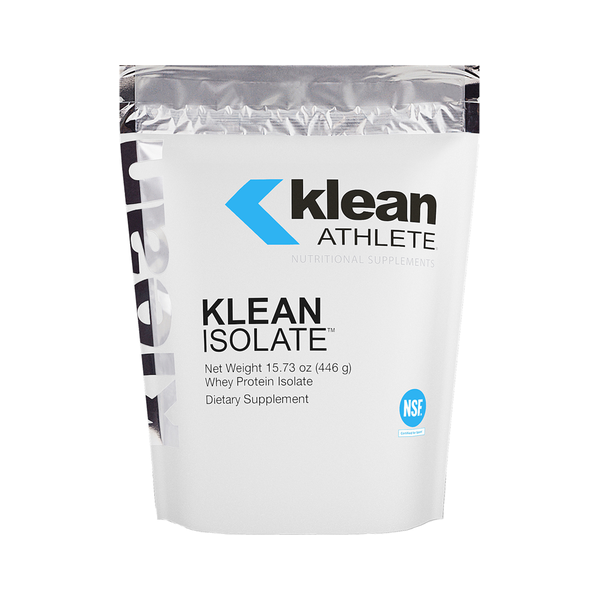
A whey isolate with 20g of protein per scoop, minimal additives, and NSF Certified for Sport third-party testing. It mixes thin enough to drink on a nauseous morning when solid food isn't appealing, and the short ingredient list means fewer of the gums and sweeteners that bother slow-emptying stomachs. Not the cheapest option on the shelf, but the clean formulation and tested quality earn it the top slot for GLP-1 users.
How we evaluate
We evaluate on specifications, not vibes: the 10 products here were scored against the same criteria below, drawn from the ingredient panel, independent testing, and the published evidence. We do not run a lab, so where we have not used a product ourselves we say so and base the call on its specs and the trial literature. Affiliate commissions never change the ranking.
Protein quality and dose
We weigh grams of complete protein per serving and the amino-acid profile against the daily targets the muscle-preservation literature points to, not against the label's headline number.
Fit for a GLP-1 gut
GLP-1s slow digestion and blunt appetite. We favor formats that suit that, easy to get down, low-volume, gentle, and we flag anything (mega-doses, harsh additives) that tends to make nausea or reflux worse.
Third-party testing & quality
Independent certification (NSF, Informed Sport, USP) and published certificates of analysis count in a product's favor. Proprietary blends, heavy additives, and unnecessary allergens count against it.
Price per serving
We normalize cost to a per-serving figure so the ranking reflects value, not sticker price, and we re-check it on every update.
Side by side
Prices are approximate per-serving estimates, last checked June 2026. Tap “Check price” for the current cost.
20g per scoop, whey protein isolate, NSF Certified for Sport. Short ingredient list, no artificial colors or sweeteners. It mixes thin in water, which matters when a shake is replacing part of a meal on a day nothing sounds good. Blended with frozen berries and a banana, it hits a 30g breakfast target without asking a shrunken appetite to chew.
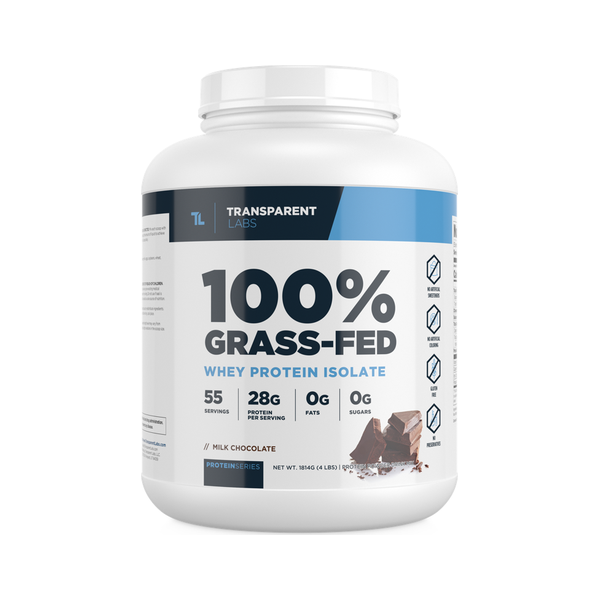
28g per scoop, grass-fed whey isolate, third-party tested, sweetened with stevia rather than sucralose, which comes up often in patient conversations about shakes that don't aggravate nausea. No artificial sweeteners, flavors, or coloring, and a short ingredient list that tends to sit better on a sensitive stomach than big-box whey. Mixes clean.
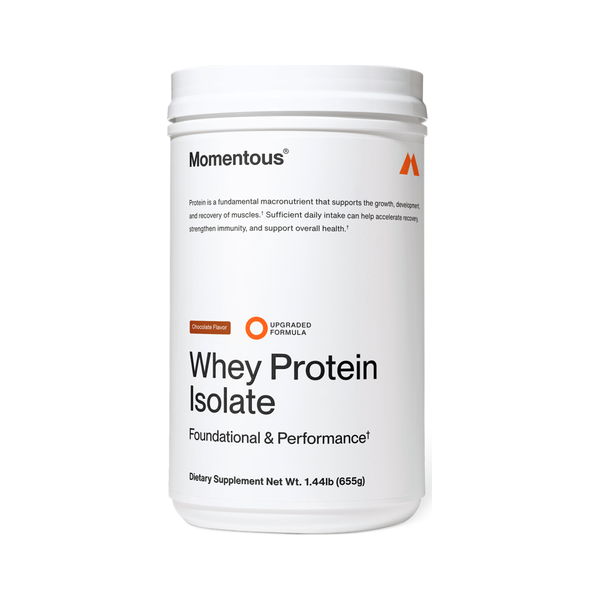
20g per scoop, grass-fed whey, NSF Certified for Sport. Stevia-sweetened (not sucralose), which is a plus for readers tracking sweetener tolerance on a slow-emptying stomach. Clean label, reliable mixing, and one of the more researched brands in the sports-nutrition space. A reasonable daily driver if budget allows.
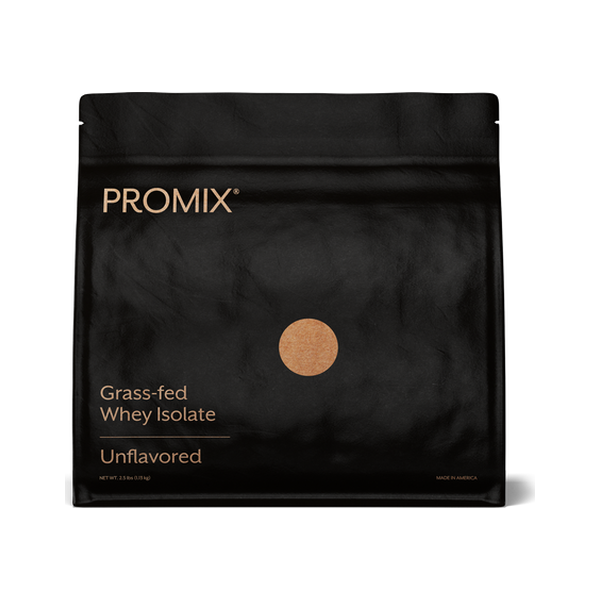
25g per scoop, grass-fed whey isolate, unflavored and lightly flavored versions available. The unflavored blends invisibly into yogurt, soup, or oatmeal, which is useful when a full shake is too much volume but protein still needs to land. No artificial sweeteners in the unflavored version. One of the better mid-tier options for GLP-1 users who want flexibility in how protein gets in.
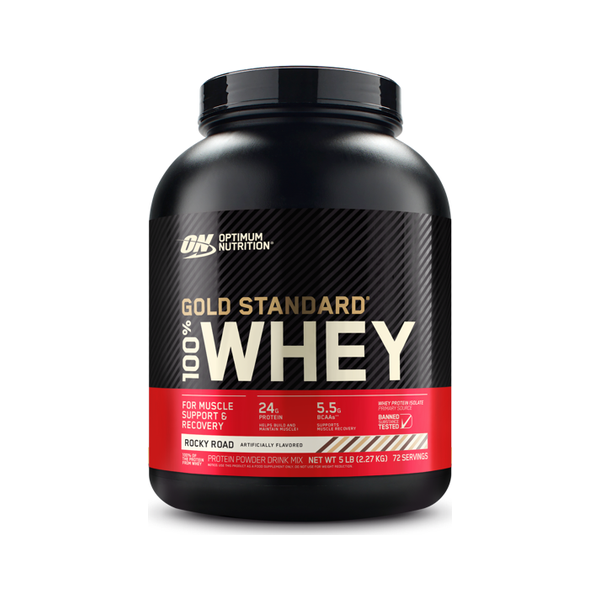
24g per scoop, whey isolate + concentrate blend, widely available. Not the cleanest label in this list (contains sucralose and acesulfame-K) but the most accessible, available at Costco, Target, and Amazon at under half the price of the premium tier. A fine starting point if you're figuring out whether protein powder works for you before spending more on a cleaner formulation.
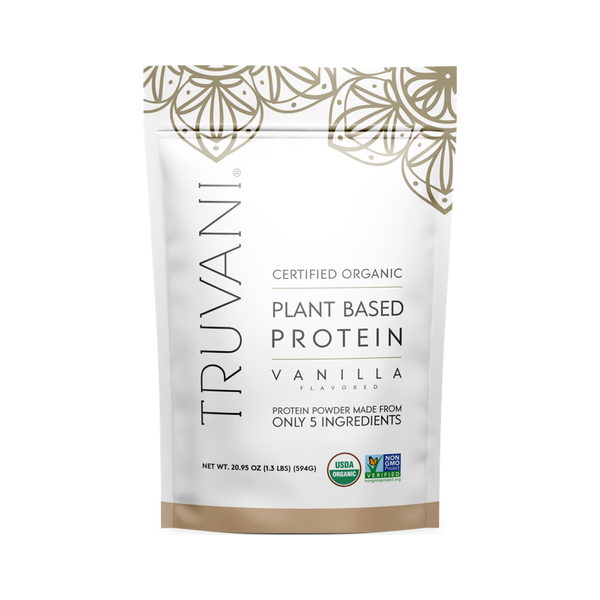
20g per scoop, pea + chia + pumpkin seed blend, monk fruit sweetened. A solid option for readers who don't tolerate dairy on a GLP-1 (lactose sensitivity tends to get worse when gastric emptying slows). Mixes on the thicker side and benefits from blending. Clean ingredient list, no gums. Works well with almond milk and nut butter for a morning protein hit.
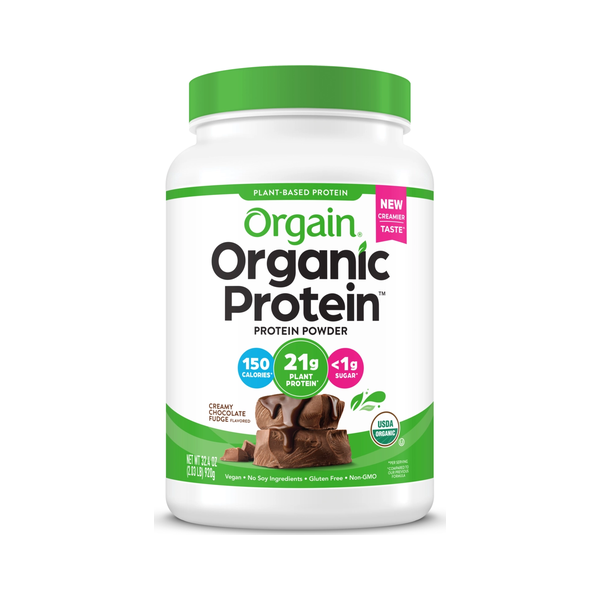
21g per scoop, organic pea + brown rice + chia blend. Widely available at grocery stores. Uses stevia and erythritol. Erythritol can bother some slow-emptying stomachs, so worth a small first scoop to test tolerance. Decent flavor for a plant powder. A reasonable non-premium plant option if Truvani is out of budget.
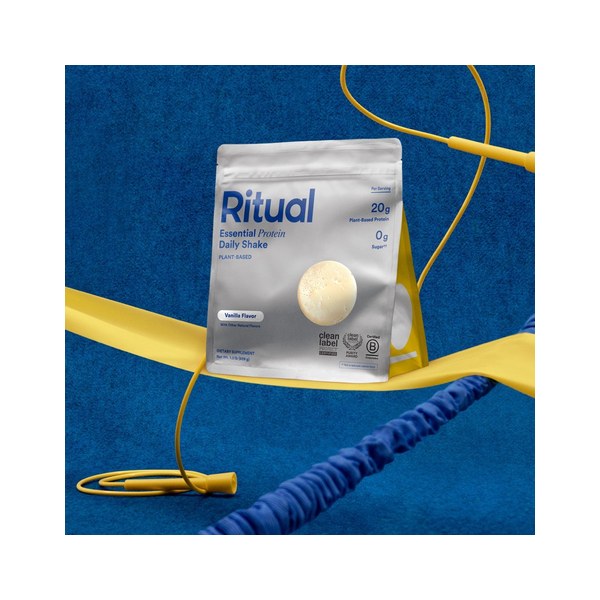
20g per scoop, pea protein with added Choline and methylated B-vitamins. Traceable sourcing is the brand's pitch. Monk-fruit sweetened. More expensive per serving than Orgain or Truvani. The added micronutrients are a nice bonus for GLP-1 users eating less overall, though the dose is modest and shouldn't replace a multivitamin if one is clinically indicated.
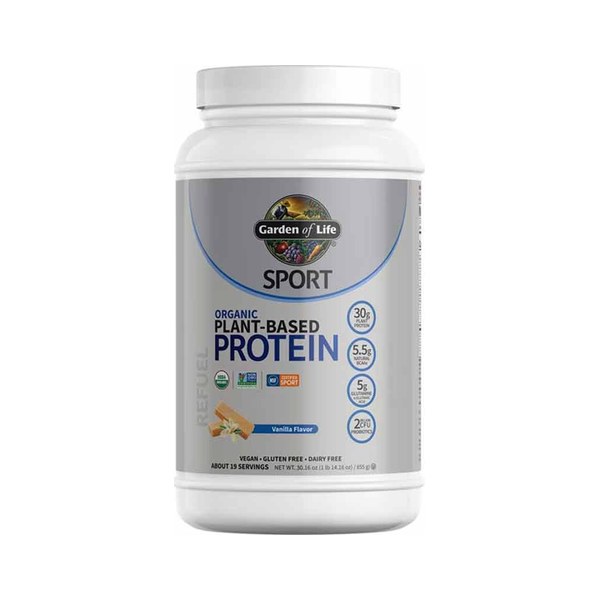
30g per scoop, pea + navy bean + lentil + garbanzo + cranberry blend, NSF Certified for Sport. High protein density for a plant option, which matters when every calorie needs to do work. Organic and stevia-sweetened. Some readers find the legume blend thick; blending with ice helps.
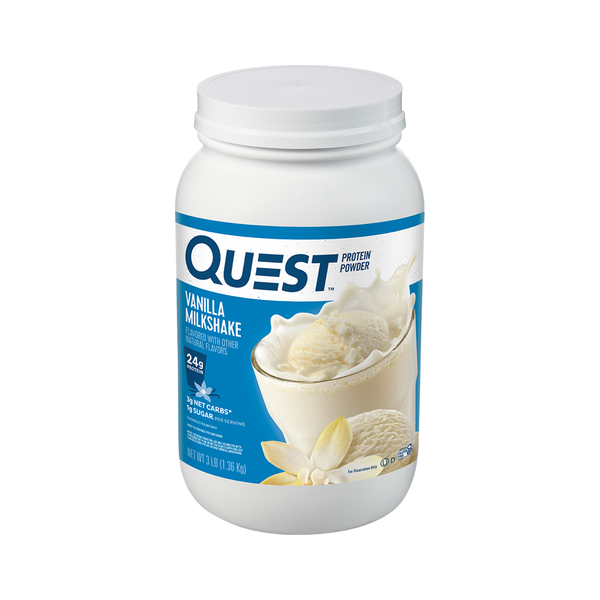
23g per scoop, whey + milk protein isolate, widely available. Contains sucralose. Chosen by some GLP-1 users specifically because the slower-digesting casein in the blend stays in the stomach longer and helps with the hours-long hunger suppression. Not the cleanest label, but a practical option for readers who already trust the brand from protein bars.
Frequently asked questions
How much protein per scoop should I look for?
Aim for at least 20g per scoop. For a person targeting 1.2-1.6g protein per kg body weight (Phillips 2017), a single scoop of a 20-30g powder is a meaningful chunk of the daily total, especially on low-appetite days. Anything under 15g tends to be padded with carbs or thickeners and isn't worth the calories.
Whey or plant-based?
Whey isolate has the highest leucine content gram-for-gram, which the muscle-protein-synthesis literature backs up for preserving lean mass. Plant blends (pea + rice, or pea + legume combinations) get close when the total dose is adequate and the blend covers the full amino-acid profile. On a GLP-1, the practical question is what your stomach tolerates. Dairy sensitivity often worsens when gastric emptying slows.
Are there artificial sweeteners I should avoid?
No blanket answer, and the science on sweeteners and GI symptoms in GLP-1 users is thin. What patients commonly report: sucralose (Splenda) and sugar alcohols like erythritol can worsen bloating and nausea for some. Monk fruit and stevia are better tolerated on average. If a shake is making you feel worse, the sweetener is worth suspecting before the protein itself.
Can I just drink shakes instead of eating?
You can for a day or two when nausea is rough, but shakes shouldn't replace food long-term. Whole foods bring fiber, micronutrients, and satiety signals that powders don't. The realistic pattern for most GLP-1 users: one shake a day as a protein bridge (often breakfast), plus protein-forward meals for lunch and dinner.
What about collagen peptides?
Collagen is a protein, but it's missing tryptophan and low in leucine, which means it doesn't support muscle-protein synthesis the way whey or a complete plant blend does. It's fine for skin, joints, and as a supplement on top of your daily protein target, but it shouldn't be the main protein source for anyone trying to preserve lean mass on a GLP-1.
Is NSF Certified for Sport or Informed Sport testing worth paying for?
For most people, yes. These third-party programs test for heavy metals, banned substances, and label accuracy. Relevant both for athletes and for anyone on a GLP-1 who wants to know what's actually in the powder. Klean Athlete, Momentous, Needed (on some products), and Garden of Life Sport are examples in this list that carry one of these certifications.
When should I drink a shake?
Whatever time fits your day and your appetite. The old 'anabolic window' (must be within 30 minutes of training) has been largely walked back by the sports nutrition literature. Total daily protein and per-meal distribution (20-40g per feeding) matter more than timing around workouts. For GLP-1 users, the most practical slot is whichever meal is hardest to eat normally.
- 01Phillips SM. Protein Requirements Beyond the RDA. Applied Physiology, Nutrition, and Metabolism 2017
- 02Wilding JPH et al. Once-Weekly Semaglutide in Adults with Overweight or Obesity (STEP-1). NEJM 2021
- 03Jastreboff AM et al. Tirzepatide Once Weekly for the Treatment of Obesity (SURMOUNT-1). NEJM 2022
- 04NSF Certified for Sport Product Database
- 05FDA Prescribing Information: Wegovy (semaglutide)
By The Peptips Editorial TeamUpdated June 1, 202614 min read
About The Peptips Editorial Team
The Peptips Editorial Team is a small group of researchers dedicated to making GLP-1 information clearer, calmer, and more useful. We read the trials, the FDA labels, and the published literature, and we translate it into posts you can actually use. We do not provide medical advice, we do not accept payment from drug manufacturers or telehealth clinics, and we cite every claim we make. If you find something on this site that's wrong, we want to know, write to us and we'll update it.
GLP-1 Nutrition Guide: Protein & What to Eat
Protein targets, muscle preservation, electrolytes, micronutrients, and sample days of eating. The practical food companion for life on a GLP-1.
How Much Protein Do You Actually Need on a GLP-1?
The target range (1.2-1.6g per kg body weight), why it matters for muscle preservation, how to hit it on a shrunken appetite, with worked examples.
Foods to Avoid on Ozempic (and Why)
There is no FDA list of banned foods on Ozempic. But some foods reliably worsen the side effects or work against the medication. The ones worth limiting, and the reasons.
Get the First 30 Days guide.
A printable companion for week one through week four. Free. Delivered instantly.
By subscribing, you agree to our Privacy Policy. One calm email a week. Unsubscribe anytime.