Ozempic und Verstopfung: Was hilft und welche Ballaststoffe wirklich gut sind
Ja, Ozempic und andere GLP-1-Medikamente verursachen häufig Verstopfung. Hier erfahren Sie, warum das passiert, wie lange es meist dauert und was wirklich Linderung bringt, inklusive welche Ballaststoffe Sie kaufen sollten und welche Sie besser meiden.
Ja, Ozempic und andere GLP-1-Medikamente verursachen häufig Verstopfung. Hier erfahren Sie, warum das passiert, wie lange es meist dauert und was wirklich Linderung bringt, inklusive welche Ballaststoffe Sie kaufen sollten und welche Sie besser meiden.
Our pick: Citrucel (methylcellulose)
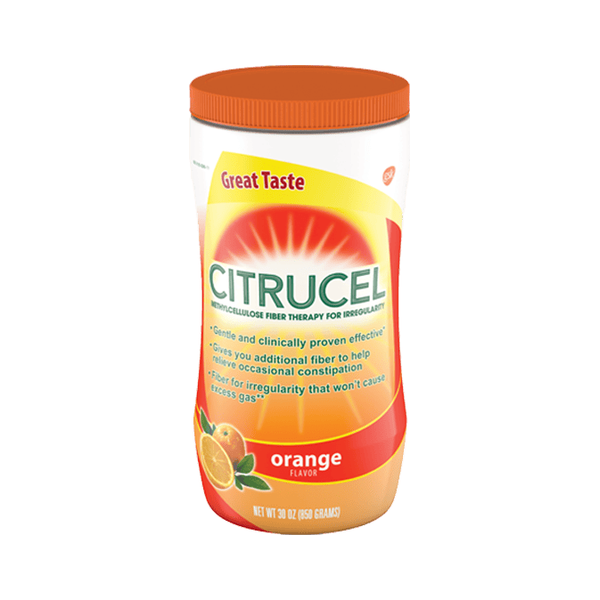
Methylcellulose is a soluble fiber that bulks and softens stool but is not fermented by gut bacteria, which means it does not produce the gas that makes bloating worse. That single property is why it edges out psyllium for GLP-1 users specifically. Psyllium has marginally stronger evidence for chronic constipation in the general population, but GLP-1 users are already dealing with a slowed gut, early fullness, and bloating, and the last thing that gut needs is a fermentable fiber adding gas on top. Start at half the label dose with a full glass of water, take it well away from your injection day's worst hours, and ramp up over a week or two.
How we evaluate
We evaluate on specifications, not vibes: the 8 products here were scored against the same criteria below, drawn from the ingredient panel, independent testing, and the published evidence. We do not run a lab, so where we have not used a product ourselves we say so and base the call on its specs and the trial literature. Affiliate commissions never change the ranking.
Fiber type and dose
We check the actual grams of soluble fiber per serving against what's been studied for constipation, and prefer well-tolerated forms (psyllium, partially-hydrolyzed guar) over bulky or gas-forming ones that fight a slowed gut.
Fit for a GLP-1 gut
GLP-1s slow digestion and blunt appetite. We favor formats that suit that, easy to get down, low-volume, gentle, and we flag anything (mega-doses, harsh additives) that tends to make nausea or reflux worse.
Third-party testing & quality
Independent certification (NSF, Informed Sport, USP) and published certificates of analysis count in a product's favor. Proprietary blends, heavy additives, and unnecessary allergens count against it.
Price per serving
We normalize cost to a per-serving figure so the ranking reflects value, not sticker price, and we re-check it on every update.
Side by side
Prices are approximate per-serving estimates, last checked June 2026. Tap “Check price” for the current cost.
Methylcellulose is a semi-synthetic soluble fiber that holds water and bulks stool without being fermented in the colon. No fermentation means little to no gas, the reason it is often the most comfortable choice for a gut that is already bloated and slow on a GLP-1. Comes as a powder (sugar-free and regular) and as caplets. The caplets are convenient when appetite is low and a glass of gritty powder is unappealing. Always take with a full glass of water; fiber without enough water can worsen constipation, not relieve it.
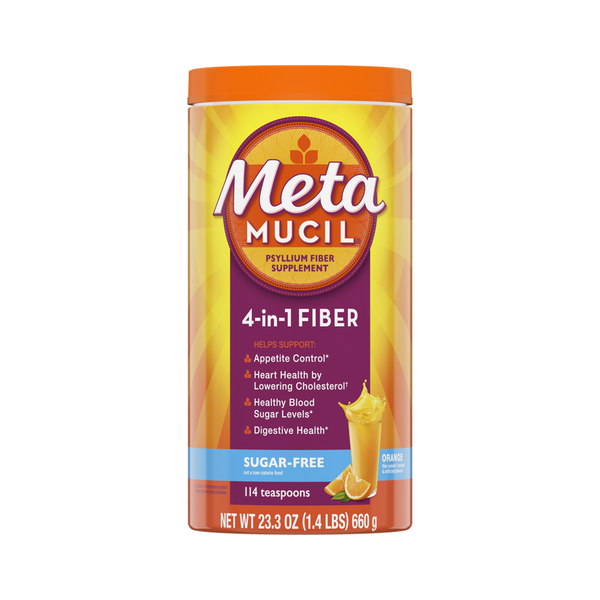
Psyllium is the most-studied fiber for chronic constipation and forms a soft gel that eases passage. The tradeoff for GLP-1 users: psyllium is partially fermentable, so it can cause gas and bloating in the first week, especially if you start at a full dose. Konsyl is nearly pure psyllium with no added sweeteners; Metamucil offers sugar-free (stevia or aspartame) versions, skip the sugar-loaded ones. Start low, build slowly, and drink more water than you think you need. If bloating is your main complaint, methylcellulose may sit better.
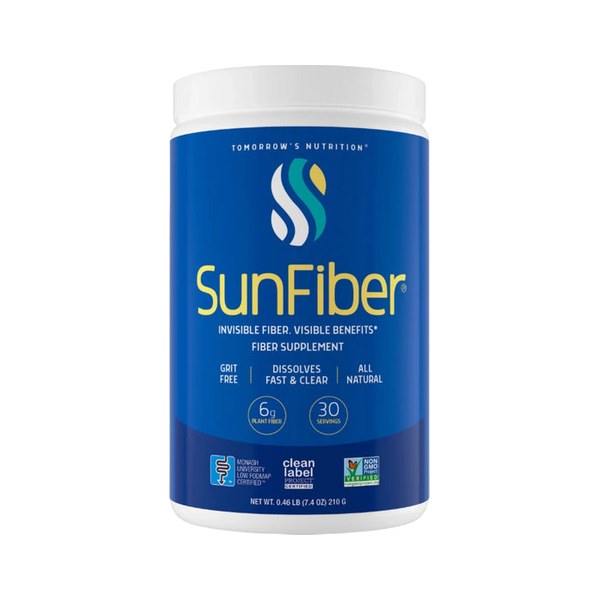
PHGG is a soluble fiber that dissolves clear and tasteless into any liquid, with a low-viscosity profile that tends to produce far less gas than inulin or wheat dextrin despite being mildly prebiotic. A good option for someone who wants to stir fiber into coffee, water, or a protein shake without grit or flavor. Effective for regularity; gentle enough that many people with sensitive guts tolerate it well. Slightly slower to show results than psyllium or methylcellulose, but comfortable.
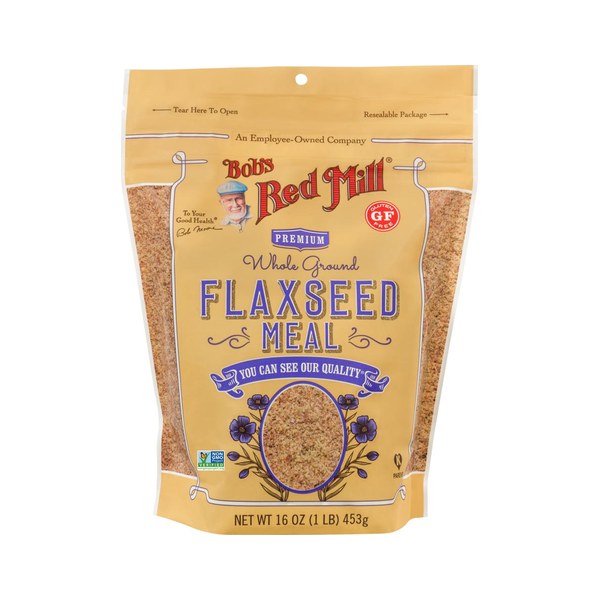
Not a supplement in a tub, but worth including: a tablespoon or two of ground flaxseed brings roughly 2-4g of mixed soluble and insoluble fiber plus omega-3s and lignans. The small serving size fits a small appetite, and it stirs into yogurt, oatmeal, or a shake. Must be ground (whole seeds pass through undigested) and kept refrigerated to avoid rancidity. Gentle and food-first, which suits the brand's bias toward eating real food when possible; not as fast or as dose-predictable as a measured fiber powder.
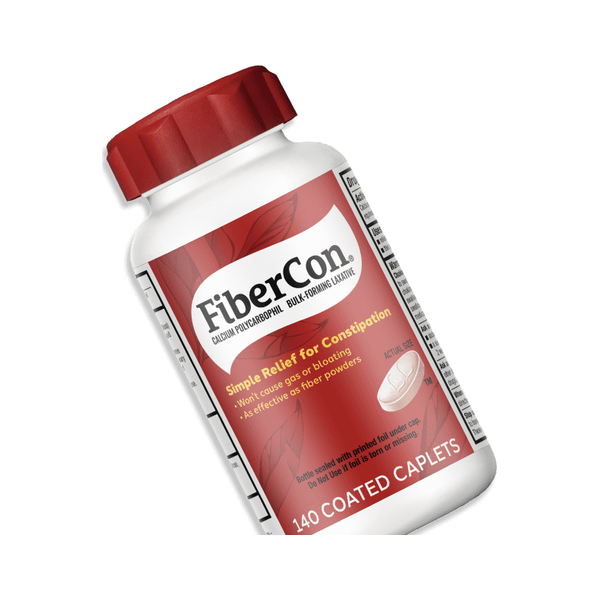
Like methylcellulose, calcium polycarbophil is a bulk-forming fiber that is not fermented, so it is low-gas. Its main appeal is format: it is a caplet, no powder to mix, which is genuinely easier on days when appetite is low and texture is unappealing. Take each dose with a full 8oz glass of water, this matters more for the caplet forms than the powders, because swallowing fiber pills with too little fluid is a setup for the opposite of what you want.
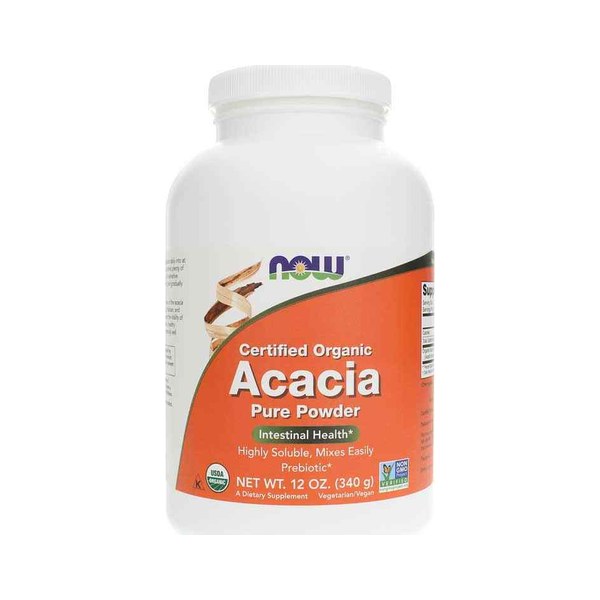
Acacia is a soluble prebiotic fiber that ferments slowly and gently, producing less gas than inulin. Dissolves cleanly and is largely tasteless. A reasonable middle option for someone who wants some prebiotic benefit without the bloating that inulin tends to cause. Effects on regularity are real but milder; some readers use it as a daily base and layer a bulk-former on top when needed.

Wheat dextrin dissolves invisibly into liquids with no grit or taste, which is its whole selling point. The catch for GLP-1 users: it is readily fermented, so it is one of the more likely powders to add gas and bloating to a gut that is already uncomfortable. Fine for someone who tolerates it, but not a first pick when minimizing bloating is the goal. Contains wheat (gluten), not suitable for celiac disease.
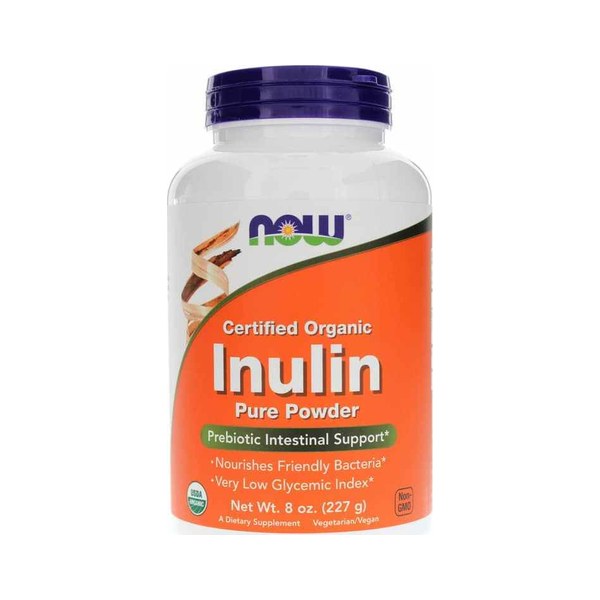
Inulin is everywhere, added to bars, shakes, and 'gut health' powders, because it is a strong prebiotic. That is also why it is usually the wrong choice on a GLP-1: it is highly fermentable and one of the most common causes of gas, bloating, and cramping, exactly the symptoms GLP-1 users are already fighting. If a product you already use lists inulin or chicory root high on the label and you feel gassier than expected, that is a likely culprit. Listed last here on purpose.
Frequently asked questions
Verursacht Ozempic Verstopfung, und wie häufig ist das?
Ja. Verstopfung gehört zu den häufigsten Magen-Darm-Nebenwirkungen von Semaglutid (Ozempic, Wegovy) und Tirzepatid (Mounjaro, Zepbound) und ist in der gesamten FDA-Fachinformation aufgeführt. In den STEP- und SUSTAIN-Studien war ein erheblicher Anteil der Patientinnen betroffen, am häufigsten in den ersten Wochen und nach jeder Dosissteigerung. Es ist unangenehm, lässt sich aber meist mit Flüssigkeit, Bewegung und den richtigen Ballaststoffen gut in den Griff bekommen.
Wie lange hält die Verstopfung durch Ozempic an?
Bei den meisten Menschen bessert sie sich innerhalb weniger Wochen, sobald sich der Körper an eine bestimmte Dosis gewöhnt hat, und flammt dann nach jeder Dosissteigerung kurz wieder auf. Wenn sie sich mit Wasser, Magnesium und Ballaststoffen über ein bis zwei Wochen nicht bessert oder wenn ein harter, geblähter, schmerzhafter Bauch oder Erbrechen hinzukommt, behandeln Sie das als dringend und rufen Sie Ihre Ärztin oder Ihren Arzt an; eine langanhaltende Verstopfung kann in seltenen Fällen auf einen Darmverschluss oder einen Ileus hinweisen.
Warum verursacht ein GLP-1-Medikament Verstopfung?
Zwei Gründe kommen zusammen. Erstens verlangsamen GLP-1-Medikamente die Magenentleerung und die Darmbewegung gezielt, Nahrung und Stuhl bewegen sich langsamer. Zweitens essen Sie weniger, wodurch weniger Nahrungsvolumen, weniger Ballaststoffe und oft auch weniger Wasser durch den Darm wandern. Die Fachinformationen von Ozempic, Wegovy und Mounjaro führen Verstopfung allesamt als häufige Nebenwirkung auf. Sie ist meist in den ersten Wochen und nach jeder Dosissteigerung am stärksten.
Lösliche oder unlösliche Ballaststoffe, welche bei Verstopfung?
Bei GLP-1-bedingter Verstopfung sind lösliche, gel- oder quellbildende Ballaststoffe (Methylcellulose, Psyllium, Polycarbophil) die Arbeitspferde: Sie binden Wasser und machen den Stuhl weicher. Unlösliche Ballaststoffe (Weizenkleie, rohe Gemüseschalen) erhöhen das Volumen, können sich in einem verlangsamten Darm aber rau und blähend anfühlen. Lebensmittelnahe Optionen wie gemahlene Leinsamen bringen sanft etwas von beidem mit. Die wichtigere Größe für die Verträglichkeit ist nicht löslich gegen unlöslich, sondern ob der Ballaststoff vergoren wird.
Verschlimmern Ballaststoffe meine Blähungen?
Das können sie, wenn Sie einen vergärbaren wählen. Inulin, Zichorienwurzel und in geringerem Maße Weizendextrin und Psyllium werden von Darmbakterien vergoren und bilden dabei Gas. Unter einem GLP-1-Medikament, bei dem Blähungen und frühes Sättigungsgefühl ohnehin häufig sind, kann das nach hinten losgehen. Die nicht vergärbaren Ballaststoffe, Methylcellulose und Calciumpolycarbophil, machen den Stuhl voluminöser, ohne diese Gasbildung anzuheizen, weshalb sie meist der angenehmere Ausgangspunkt sind.
Wie viele Ballaststoffe und wie viel Wasser?
Beginnen Sie mit etwa der Hälfte der auf der Packung angegebenen Dosis und steigern Sie über ein bis zwei Wochen; gleich zur vollen Dosis zu springen ist der schnellste Weg, sich gebläht zu fühlen und aufzuhören. Wasser ist unverzichtbar: Ballaststoffe wirken, indem sie Wasser im Stuhl binden, daher kann ein Ballaststoffpräparat ohne ausreichend Flüssigkeit die Verstopfung verschlimmern. Eine praktische Regel ist ein volles Glas (etwa 240 ml) zu jeder Dosis und gleichmäßiges Trinken über den Tag. Allgemeine Ballaststoffziele liegen bei etwa 25 bis 38 g pro Tag aus allen Quellen, doch unter einem GLP-1-Medikament geht es um Verträglichkeit und Regelmäßigkeit, nicht darum, eine Zahl zu erreichen.
Ballaststoffe, Magnesium oder ein Stuhlweichmacher, was kommt zuerst?
Diese wirken unterschiedlich und sind nicht austauschbar. Ballaststoffe machen den Stuhl über Tage voluminöser und weicher. Magnesium (oft Magnesiumcitrat vor dem Schlafengehen) zieht Wasser in den Darm und wirkt meist schneller, siehe unseren Elektrolyt-Ratgeber zur Überschneidung mit der Flüssigkeitsversorgung. Stuhlweichmacher und osmotische Abführmittel wie Polyethylenglykol sind ein eigener Schritt. Viele Menschen beginnen mit Ballaststoffen plus ausreichend Wasser und Magnesium und steigern nur, wenn das nicht genügt. Was für Sie richtig ist, hängt von Ihren Medikamenten und Ihrer Vorgeschichte ab, beziehen Sie also Ihre Ärztin oder Ihren Arzt ein, bevor Sie Produkte kombinieren, besonders bei einer Nierenerkrankung oder bei der Einnahme von Blutdruckmedikamenten.
Wann ist Verstopfung ein Grund, die Ärztin oder den Arzt anzurufen?
Die meiste GLP-1-bedingte Verstopfung ist unangenehm, aber beherrschbar. Behandeln Sie sie als dringend, wenn Sie mehrere Tage keinen Stuhlgang haben und ein harter, geblähter, schmerzhafter Bauch, Erbrechen oder die Unfähigkeit, Gas abzulassen, hinzukommen; diese Kombination kann auf einen Darmverschluss oder einen Ileus hinweisen, der unter GLP-1-Medikamenten berichtet wurde und rasche ärztliche Behandlung erfordert. Auch eine anhaltende Verstopfung, die über ein bis zwei Wochen nicht auf Ballaststoffe, Flüssigkeit und Magnesium anspricht, ist einen Anruf wert, ebenso jedes Blut im Stuhl.
By The Peptips Editorial TeamUpdated June 1, 202613 min read
About The Peptips Editorial Team
The Peptips Editorial Team is a small group of researchers dedicated to making GLP-1 information clearer, calmer, and more useful. We read the trials, the FDA labels, and the published literature, and we translate it into posts you can actually use. We do not provide medical advice, we do not accept payment from drug manufacturers or telehealth clinics, and we cite every claim we make. If you find something on this site that's wrong, we want to know, write to us and we'll update it.
Ozempic Week by Week: What to Expect
A week-by-week timeline of the first year on semaglutide. What is normal. What is not. When to call your doctor.
The Complete GLP-1 Side Effect Guide: Week by Week
Every common GLP-1 side effect, the week it typically appears, why it happens, and what actually helps. With citations from trial data and manufacturer labels.
Best Electrolytes for GLP-1 Users
When appetite drops on a GLP-1, sodium, potassium, and magnesium drop with it, and that shortfall is behind a lot of the first-month fatigue. Here's what's worth buying, what to skip, and which formulas are calm on the stomach.
Holen Sie sich den 30-Tage-Leitfaden.
Ein druckbarer Begleiter von Woche eins bis Woche vier. Kostenlos. Sofort im Postfach.
Mit Ihrer Anmeldung stimmen Sie unserer Datenschutzerklärung zu. Eine ruhige Mail pro Woche. Jederzeit kündbar.