Cele mai bune produse cu electroliți pentru utilizatorii de GLP-1
Când pofta scade, scade și aportul de electroliți. Iată ce merită cumpărat, ce poți sări și ce formule rămân calme pe stomac.

Când pofta scade, scade și aportul de electroliți. Iată ce merită cumpărat, ce poți sări și ce formule rămân calme pe stomac.
Our pick: LMNT Recharge
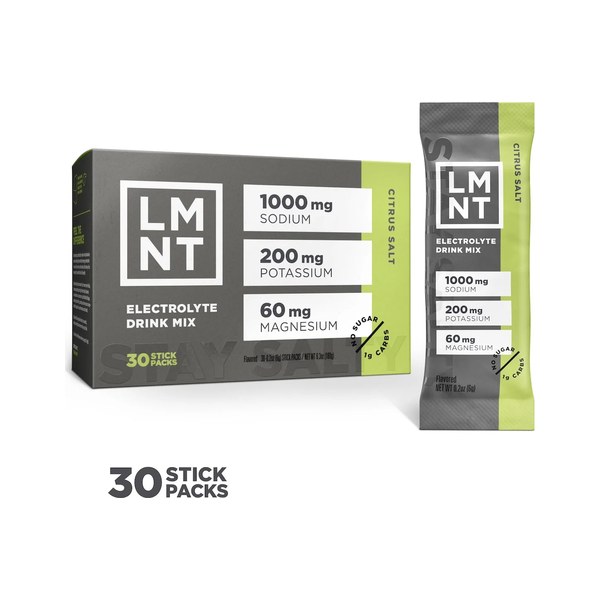
A zero-sugar electrolyte mix with 1,000mg sodium, 200mg potassium, and 60mg magnesium per stick. No artificial sweeteners in the Raw Unflavored version. The sodium dose is the highest in this category and is the single reason LMNT lands at #1 for GLP-1 users. When total food intake drops, sodium intake drops with it, and the first-month fatigue patients describe often maps cleanly onto low sodium. Stevia-sweetened flavored versions are also well-tolerated.
How we evaluate
We evaluate on specifications, not vibes: the 8 products here were scored against the same criteria below, drawn from the ingredient panel, independent testing, and the published evidence. We do not run a lab, so where we have not used a product ourselves we say so and base the call on its specs and the trial literature. Affiliate commissions never change the ranking.
What's actually in it
We read the Supplement Facts panel and weigh the active doses against what the published trials and the FDA labels actually support, not against the claim on the front of the box.
Fit for a GLP-1 gut
GLP-1s slow digestion and blunt appetite. We favor formats that suit that, easy to get down, low-volume, gentle, and we flag anything (mega-doses, harsh additives) that tends to make nausea or reflux worse.
Third-party testing & quality
Independent certification (NSF, Informed Sport, USP) and published certificates of analysis count in a product's favor. Proprietary blends, heavy additives, and unnecessary allergens count against it.
Price per serving
We normalize cost to a per-serving figure so the ranking reflects value, not sticker price, and we re-check it on every update.
Side by side
Prices are approximate per-serving estimates, last checked June 2026. Tap “Check price” for the current cost.
1,000mg sodium, 200mg potassium, 60mg magnesium per stick. Zero sugar, stevia-sweetened (Raw Unflavored has no sweetener at all). High sodium makes this the most useful option for GLP-1 users in the first 1-2 months when intake is lowest. Flavors are polarizing. The unflavored can be added to broth; the citrus and mango chili versions are popular. One packet in 16-32oz of water.
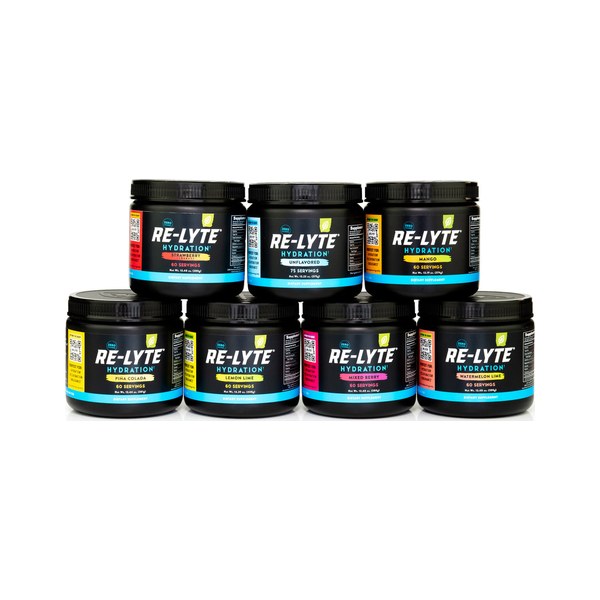
810mg sodium, 400mg potassium, 50mg magnesium per scoop. Uses Redmond real salt (unrefined sea salt) plus added potassium and magnesium. Sweetened with a touch of stevia. Slightly lower sodium than LMNT but higher potassium, which some readers prefer. Dissolves well. The lemon-lime and mixed-berry flavors are the most accessible for daily use.

815mg sodium, 250mg potassium, 75mg magnesium per stick. Designed by Needed's clinical nutrition team with GLP-1 and perinatal users in mind. Monk-fruit sweetened. Includes trace minerals beyond the big three. Slightly less salty than LMNT, which readers with sensitive stomachs often prefer. A premium-priced option, but the formulation is thoughtful.
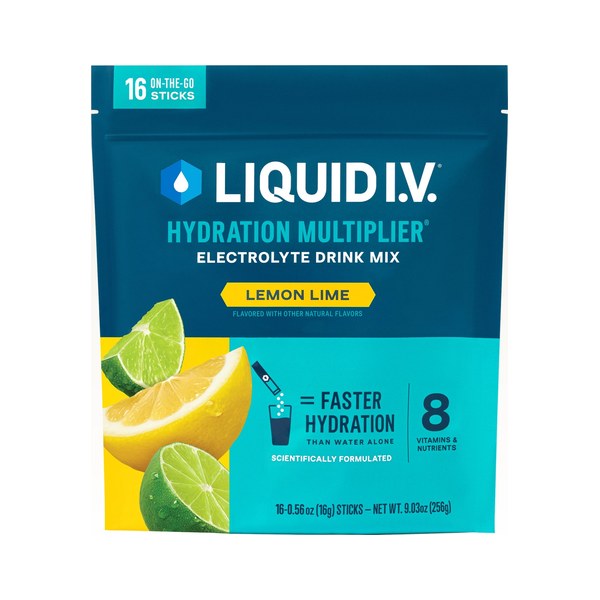
500mg sodium, 370mg potassium, plus 11g added sugar per stick. The sugar is the tradeoff: the sodium dose is lower than the premium category, and the sugar load runs counter to most GLP-1 eating patterns. A reasonable option for someone who struggles with plain water and can tolerate the carbs, but not a first choice when minimizing sugar matters.
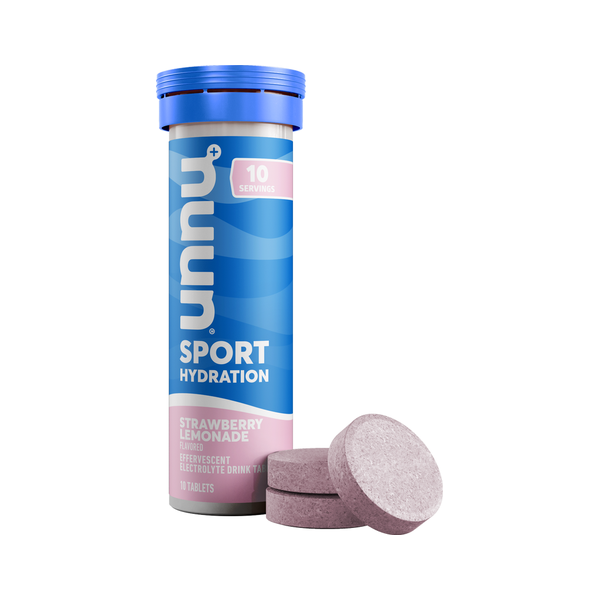
300mg sodium, 150mg potassium per tablet. Low sugar (1g), sweetened with stevia. The sodium dose is much lower than LMNT or Re-Lyte, so you may need two tablets. Fizzing tablet format is pleasant and portable. A reasonable travel or gym-bag option; probably not enough sodium on its own for heavy GLP-1 side-effect days.

55mg sodium, 250mg potassium, 100mg magnesium per stick. Zero sugar, stevia-sweetened, multiple flavors. The sodium dose here is very low; this is more of a light-hydration supplement than a replacement-level electrolyte. Useful for daily base hydration for some readers; not sufficient on its own for the worst fatigue or dehydration days.
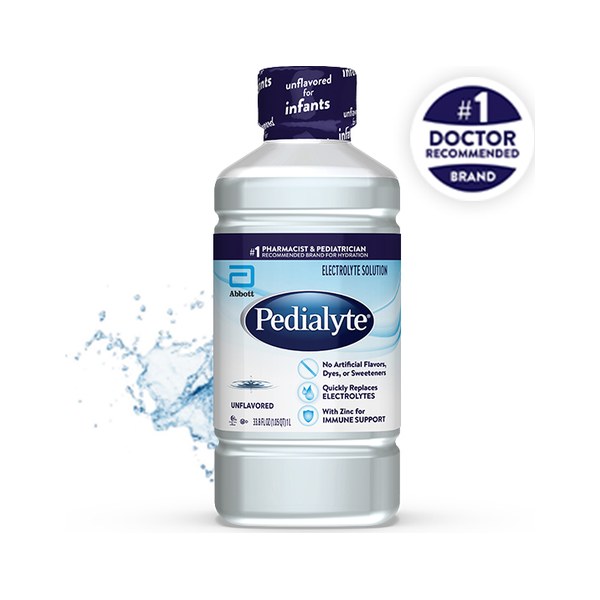
490mg sodium, 370mg potassium per 12oz serving. Originally formulated for pediatric dehydration, commonly used by adults during vomiting or diarrhea illness. Contains dextrose (sugar) on purpose, because glucose helps sodium absorption at the gut level. Worth keeping on hand for a severe GI-symptom day but not for daily use.
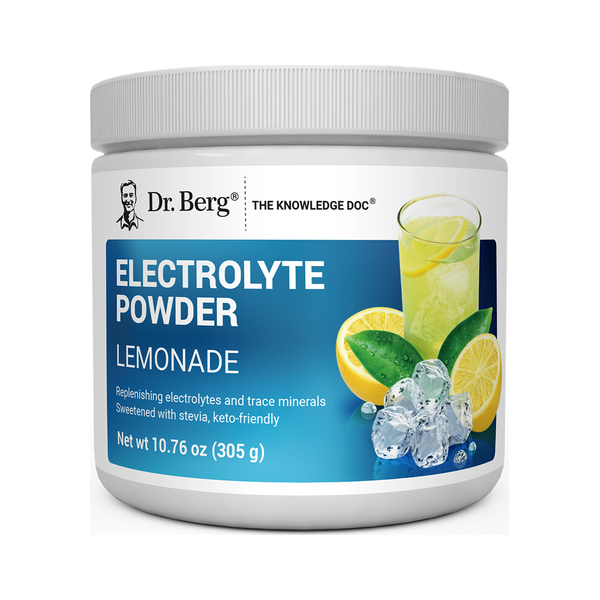
50mg sodium, 1,000mg potassium, 120mg magnesium per scoop. An unusual profile: much lower sodium, much higher potassium than the rest of this list. That ratio is a better fit for someone already salting food heavily. No sugar, stevia-sweetened. Reasonable if the high-potassium profile matches what's missing from your diet; not a first pick for most GLP-1 users.
Frequently asked questions
Does Ozempic cause fatigue, and can electrolytes help?
Fatigue is common in the first weeks on a GLP-1, and it often maps onto the same shortfall: you are eating and drinking less, so sodium, fluid, and overall energy intake fall. Low sodium in particular tracks closely with the lethargy and light-headedness people describe early on. Replacing electrolytes (and eating enough protein) is one of the simplest things that helps. Fatigue that is severe, sudden, or persistent is worth raising with your prescriber, since it can have other causes.
How long does Ozempic fatigue last?
For most people the early fatigue eases within the first few weeks at a given dose as the body adjusts, and may return briefly after each dose increase. Staying ahead of hydration and electrolytes, hitting a protein target, and protecting sleep all shorten it. If it does not improve or is interfering with daily life, talk to your prescriber.
Why do GLP-1 users need more electrolytes?
Not directly because of the drug. Because of the reduced eating that comes with it. Food is a major source of sodium, potassium, and magnesium, and when total intake drops, so does intake of all three. The Ozempic and Wegovy prescribing information flags dehydration and electrolyte imbalance as watchpoints, particularly when nausea or vomiting is present.
How much sodium do I actually need?
The standard US dietary guidelines suggest under 2,300mg per day, but that guidance is built around populations with high intake of processed food. When you're eating much less (as many GLP-1 users are in the first 1-3 months), you can genuinely undershoot. A common practical floor is around 2,000-3,000mg per day from food plus supplement. This is a conversation with your prescriber if you have high blood pressure or heart disease.
Can I just drink Gatorade?
You can, but standard Gatorade has roughly 160mg sodium and 36g sugar per 20oz bottle. Much less sodium and much more sugar than the premium electrolyte mixes in this list. The sugar load is the bigger issue on a GLP-1. If Gatorade is what's accessible, Gatorade Zero is a closer match; better options exist.
When should I take electrolytes?
Most users sip electrolyte water in the morning and mid-afternoon, when fatigue and light-headedness tend to peak. During a nauseous or vomiting spell, small sips every 15-20 minutes (not gulping) tend to stay down better. If you're exercising or in hot weather, add one serving before and one during or after. Taking it with food or with a protein shake is fine.
Can you take too much?
Yes. Excess sodium raises blood pressure; excess potassium (rare from supplements but possible) is dangerous for people on certain blood pressure medications or with kidney disease. If you have CKD, heart failure, or are on ACE inhibitors, ARBs, or potassium-sparing diuretics, run the exact product past your prescriber before starting. For most healthy adults, one to two servings of a standard electrolyte mix per day is well within a safe range.
What about magnesium for constipation?
Magnesium citrate or magnesium oxide at bedtime (often 200-400mg) is a common approach for GLP-1-related constipation, separate from daily electrolyte mixes. Most general electrolyte mixes contain 50-120mg of magnesium, which is useful but usually not enough to move bowels on its own. A dedicated magnesium product often gets layered on top. The Mounjaro and Ozempic labels both list constipation as a common side effect.
By The Peptips Editorial TeamUpdated June 1, 202612 min read
About The Peptips Editorial Team
The Peptips Editorial Team is a small group of researchers dedicated to making GLP-1 information clearer, calmer, and more useful. We read the trials, the FDA labels, and the published literature, and we translate it into posts you can actually use. We do not provide medical advice, we do not accept payment from drug manufacturers or telehealth clinics, and we cite every claim we make. If you find something on this site that's wrong, we want to know, write to us and we'll update it.
Ozempic Constipation: What Helps, Plus the Best Fiber Supplements
Yes, Ozempic and other GLP-1s commonly cause constipation, here's why it happens, how long it usually lasts, and what actually relieves it, including which fiber to buy and which to skip.
Ozempic Week by Week: What to Expect
A week-by-week timeline of the first year on semaglutide. What is normal. What is not. When to call your doctor.
The Complete GLP-1 Side Effect Guide: Week by Week
Every common GLP-1 side effect, the week it typically appears, why it happens, and what actually helps. With citations from trial data and manufacturer labels.
Primește ghidul «Primele 30 de zile».
Un însoțitor de printat, din săptămâna unu până în săptămâna patru. Gratuit. Livrat instant.
Prin abonare, sunteți de acord cu Politica noastră de confidențialitate. Un e-mail calm pe săptămână. Vă puteți dezabona oricând.